How should you plan cultural travel in Ecuador?
Choose one city or community context as the cultural anchor, protect two or three nights, and use a qualified local guide or host when history, living traditions or community access needs interpretation. Build the route around real opening hours and permissions rather than a checklist of brief stops.
Confirm schedule, guide or host, permissions, etiquette, language, transportation, accessibility, inclusions, photography rules and cancellation terms.
Compare Ecuador Cultural Trip Shapes
| Priority | Strong starting point | Realistic structure | Confirm |
|---|---|---|---|
| Historic capital | Quito | Two or three nights with a focused old-town day | Hours, guide, altitude, mobility |
| Southern heritage | Cuenca | Walkable cultural base plus one excursion | Museums, transport, schedule, access |
| Markets and crafts | Otavalo and the northern Andes | Day trip or overnight with cultural context | Market timing, host, etiquette, purchases |
| Community context | Approved community-led visit | Host-led experience with permission | Consent, photography, language, payment |
| Culture and food | Quito, Cuenca or the Coast | Market, meal and history in one base | Hours, dietary needs, host, inclusions |
Culture at a Glance
Use this page if you want Ecuador to feel grounded in people, place, food, and daily life rather than only scenery or movement.
Best for
Travelers who want history, local context, architecture, markets, and a stronger sense of place to anchor the trip.
Difficulty level
Easy to moderate. Cultural travel in Ecuador is flexible and works well for many trip styles and pacing levels.
Typical duration
3 to 10 days depending on whether you stay in one city or combine several cultural destinations and regions.
Region fit
Strongest in the Andes and major historic cities, with meaningful local culture layers across the Coast and beyond.
Why Culture Works So Well in Ecuador
Ecuador is one of those countries where culture changes quickly as you move. Architecture, markets, food traditions, music, artisan work, and everyday rhythms shift from one place to another, which makes cultural travel here feel layered rather than repetitive.
The strength of culture in Ecuador is that it does not sit apart from the rest of the trip. It naturally overlaps with food, city walking, slower travel, local guides, market routes, and regional identity. That makes it one of the easiest experience paths to combine with other layers without the itinerary feeling forced.
This page is designed to help you decide what kind of cultural depth you want, then connect it to the right region, the right provider pathway, and the right balance with culinary, nature, or relaxation.
Best Cultural Destinations in Ecuador
These are strong starting points for travelers who want to build an Ecuador route around history, markets, architecture, and local context.
Quito
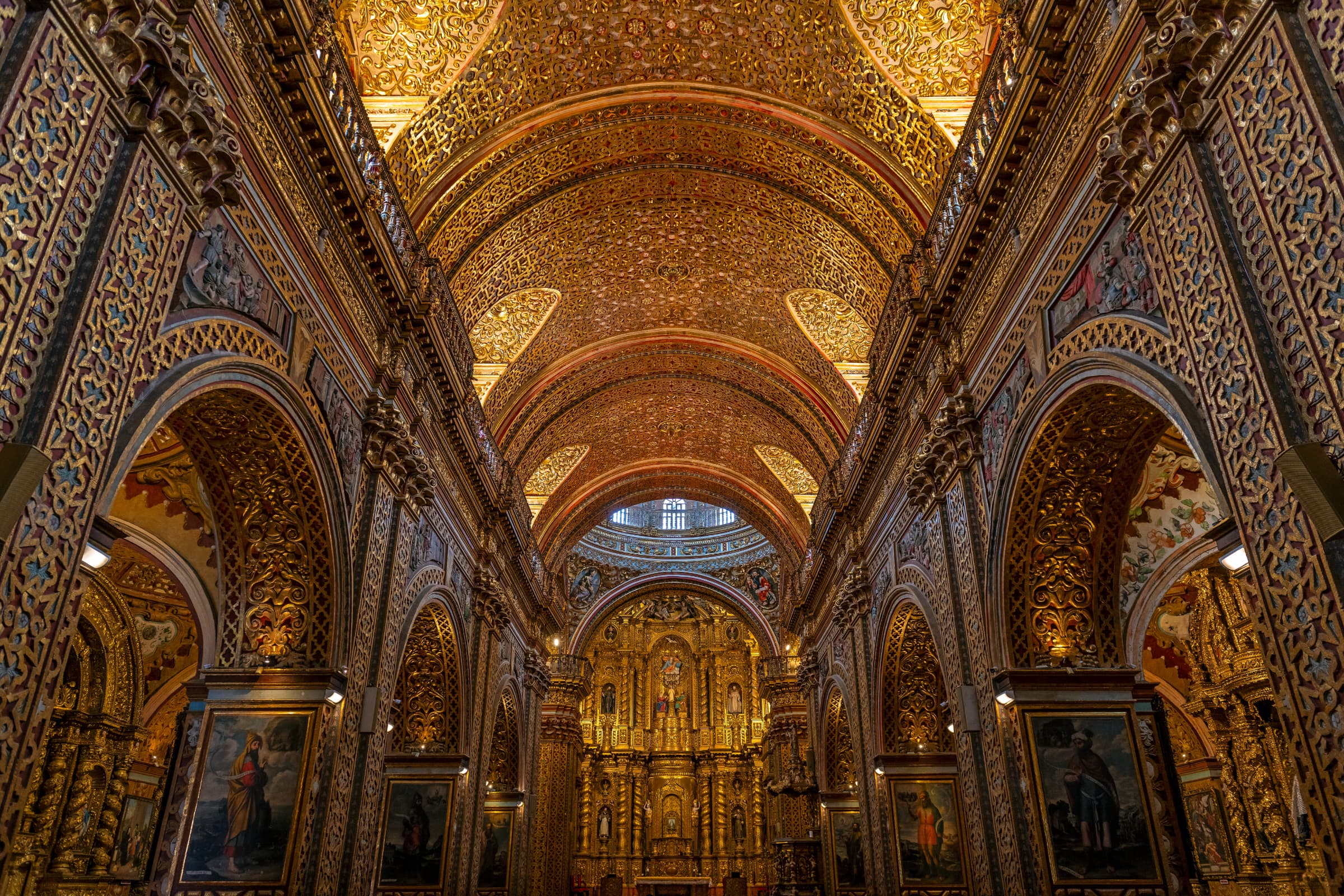
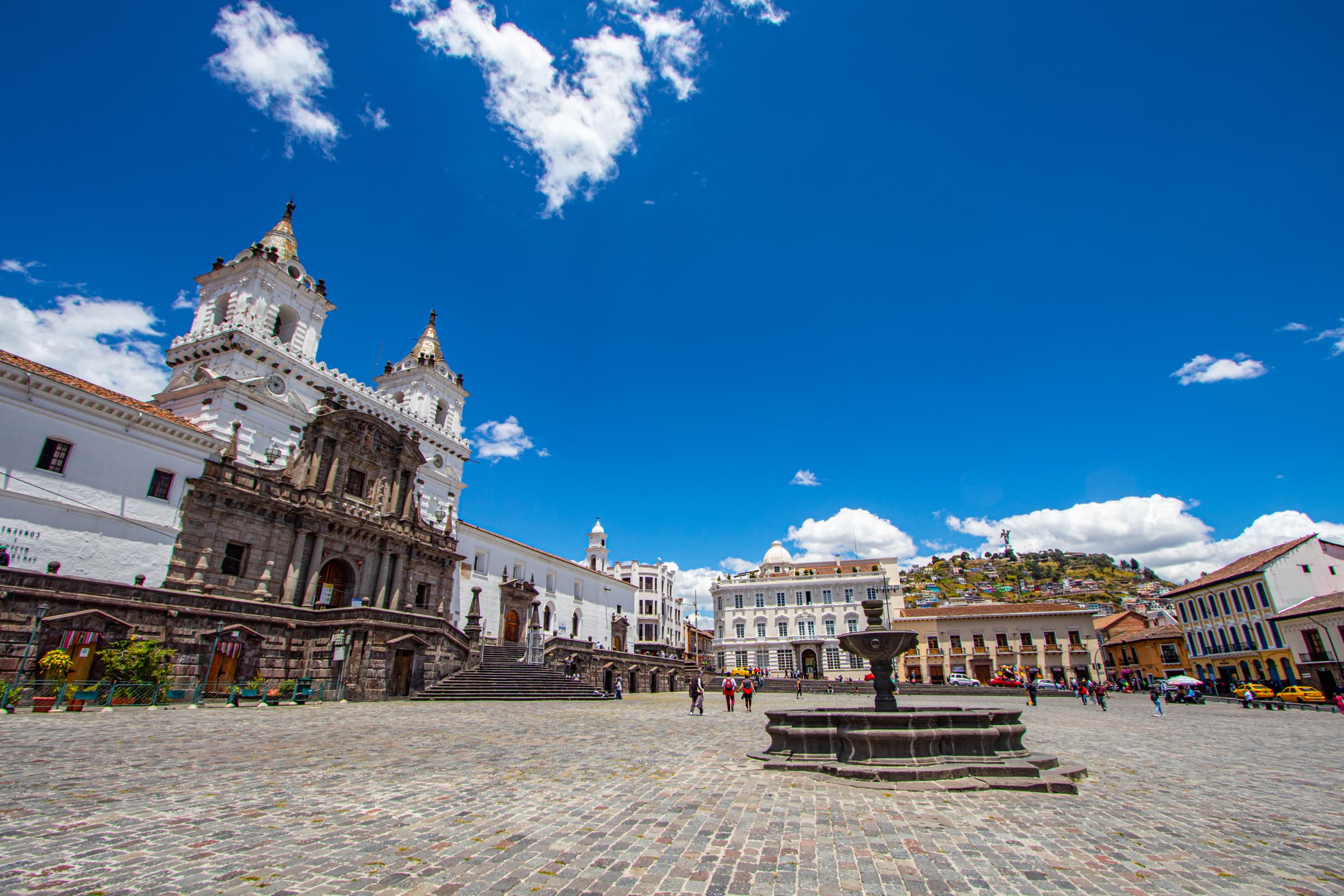
Best for historic center walks, museums, layered urban history, churches, plazas, and a strong city-based cultural route.
Explore QuitoCuenca
Ideal for architecture, slower city rhythm, artisan identity, food, and a more relaxed cultural pace with depth.
Explore CuencaOtavalo
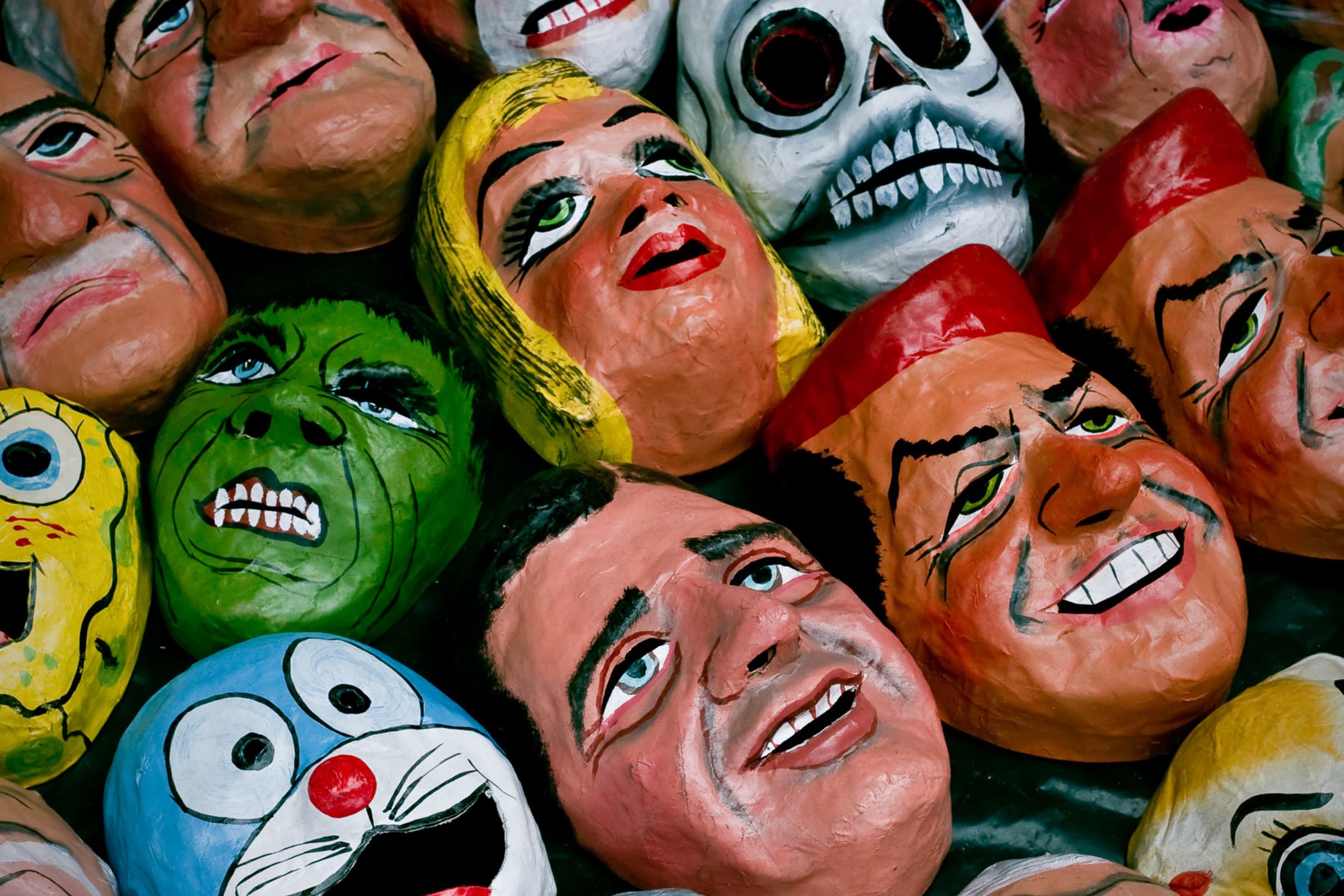
A strong cultural base for markets, textiles, indigenous identity, craft traditions, and a more place-rooted Andean experience.
Explore OtavaloThe Coast
Best for travelers who want to understand Ecuador through coastal food, music, daily life, and a very different regional mood.
Explore the CoastProvider Pathways for Culture-Led Travel
This section should help travelers move from broad cultural interest into the right guides, bases, and local-style experiences over time.
Context-Rich City Stays
Future members can help travelers choose hotels and bases that make historic centers, architecture, and local neighborhoods easier to access well.
Open recommendationsLocal Guides and Cultural Providers
As the provider layer grows, this section should connect travelers to stronger city walks, local interpretation, markets, and culture-led experiences.
Open recommendationsSlower Heritage-Led Stays
Not every cultural route should feel museum-heavy. Future recommendations here can help build comfort, food, and slower rhythm into the trip.
Open recommendationsWhat a Culture-Led Ecuador Trip Usually Looks Like
Culture works best when the route is structured around context, local rhythm, and place-based variety rather than trying to pack every major city into one rushed loop.
Choose your culture profile
Decide whether the trip should lean more toward historic cities, artisan traditions, markets, food-led local life, or a mix of all four.
Layer in food and local rhythm
The strongest Ecuador cultural routes usually include markets, neighborhood time, local food, and slower observation rather than only checklist-style sightseeing.
Use providers and planning tools to shape the route
Once the cultural angle is clear, use provider pathways and the trip builder to tighten timing, pacing, and city-to-region flow.
Who Culture in Ecuador Fits Best
Cultural travel works across many traveler types here, especially when the route matches curiosity, pace, and how much structure you want in the trip.
First-time visitors
Great for travelers who want to understand Ecuador through people, history, neighborhoods, and food, not only through landscapes.
Couples who want depth
Works especially well for travelers who want conversation, local context, and slower city rhythm rather than nonstop activity.
Independent travelers
Ideal for people who like walking, exploring, and piecing together the feel of a place through markets, streets, and local routines.
Travelers balancing culture and comfort
Best for those who want a more thoughtful route without making the trip feel academic, heavy, or overplanned.
Best Time for Culture Depends on Pace and Place
Cultural travel in Ecuador works year-round, but the feel of the route changes depending on weather, festivals, local rhythms, and how much walking or city time you want.
Historic cities
Weather, walking comfort, and how crowded the center feels matter more when city exploration is the main layer of the trip.
Markets and artisan routes
Local market days, timing, and regional routines matter most when you want the trip to feel more rooted in everyday life and craft traditions.
Food and cultural overlap
Cultural travel becomes even stronger when timed around seasonal food, local festivities, and a trip pace that leaves room to actually notice the place.
Cross-Link Culture With the Right Supporting Experiences
Cultural routes usually become richer when they are paired with one or two complementary layers instead of trying to do everything through museums or city walks alone.
Culinary
Pairs naturally with culture when you want markets, dishes, regional identity, and local food traditions to deepen the route.
Open culinaryRelaxation
Useful when you want slower pacing, heritage stays, quieter afternoons, and a softer rhythm across cultural destinations.
Open relaxationNature
Adds landscape and biodiversity to the trip when you do not want the whole route defined only by cities and built environments.
Open natureGo Deeper With Regions, Guides, and Planning Tools
Once the culture profile is clear, these paths help turn it into a more intentional Ecuador itinerary.
Explore the Andes
Start here if historic cities, market culture, architecture, and Andean identity are likely to anchor the trip.
Open AndesBest Places to Visit in Ecuador
Useful once you want to compare cultural destinations and understand how they fit into a larger Ecuador route.
Open guideWhere to Stay in Ecuador
Helpful once you know what kind of city base, neighborhood, or lodging rhythm will support the route best.
Open guideTrip Builder
Use the planning tool when you are ready to turn cultural interests into a realistic route with stronger pacing.
Open trip builderCommon Questions About Cultural Travel in Ecuador
These are some of the most useful questions travelers ask when shaping a culture-led route in Ecuador.
What are the best places for cultural travel in Ecuador?
Quito, Cuenca, and Otavalo are among the strongest starting points because they combine history, markets, architecture, food, and everyday local life in very different ways.
Is cultural travel in Ecuador good for first-time visitors?
Yes. Culture is one of the easiest and most rewarding ways to begin in Ecuador because it connects naturally with food, cities, nature, and slower travel pacing.
How many days should I allow for a culture-focused Ecuador trip?
A shorter 3 to 5 day route can work if you focus on one city or one regional corridor, but 7 to 10 days gives more room to combine multiple cultural bases without rushing the trip.
Can I combine culture with culinary or nature experiences in Ecuador?
Yes. Many of the strongest Ecuador itineraries combine culture with culinary, nature, or relaxation layers so the trip feels richer and more balanced.
How can I visit communities and living traditions responsibly?
Use invited or community-led experiences, follow host guidance, ask before photography, pay fairly and avoid treating living culture as a staged attraction.
What should I confirm before a cultural visit in Ecuador?
Confirm current hours, guide or host, permissions, etiquette, language, transportation, accessibility, photography rules, inclusions and cancellation terms.
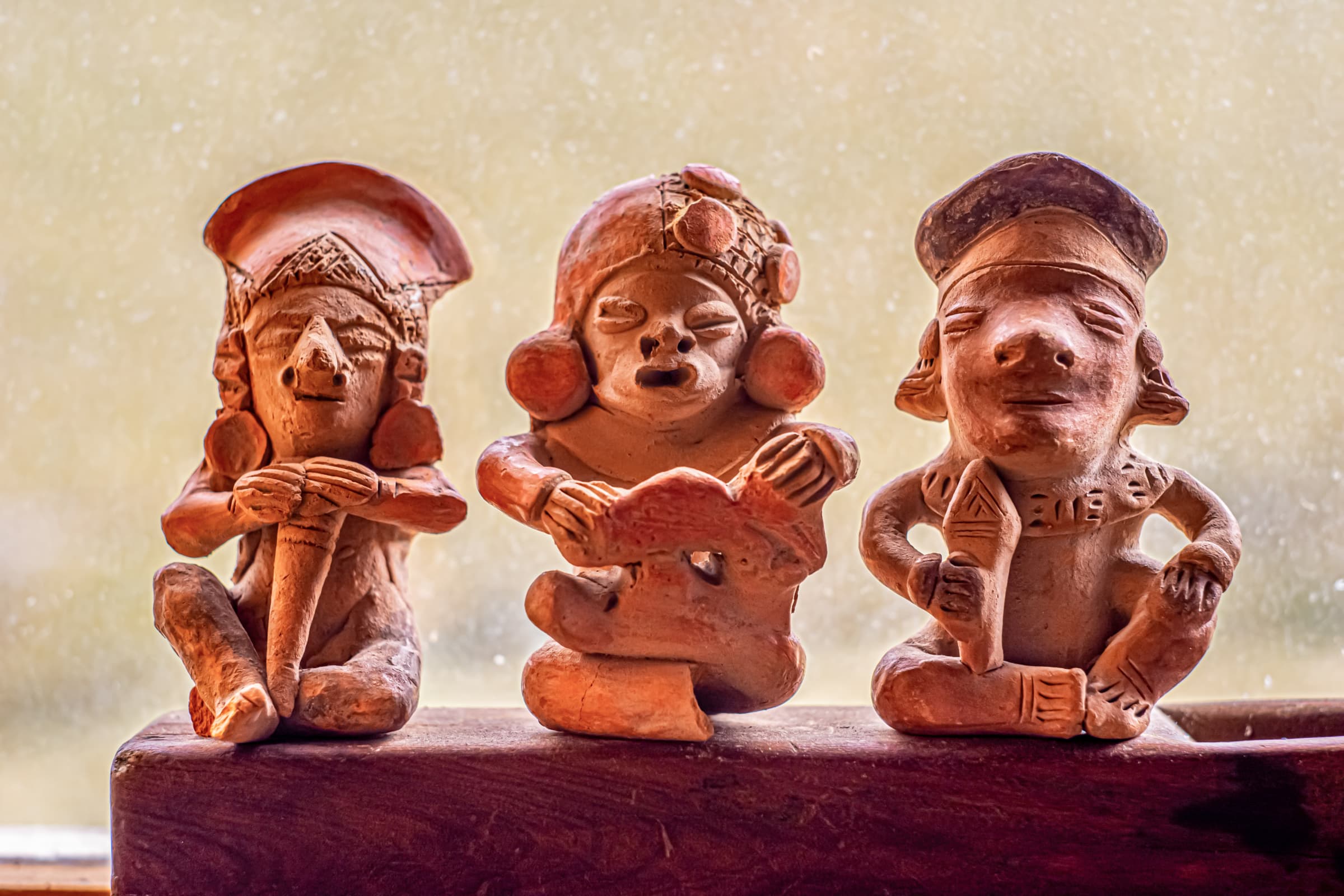
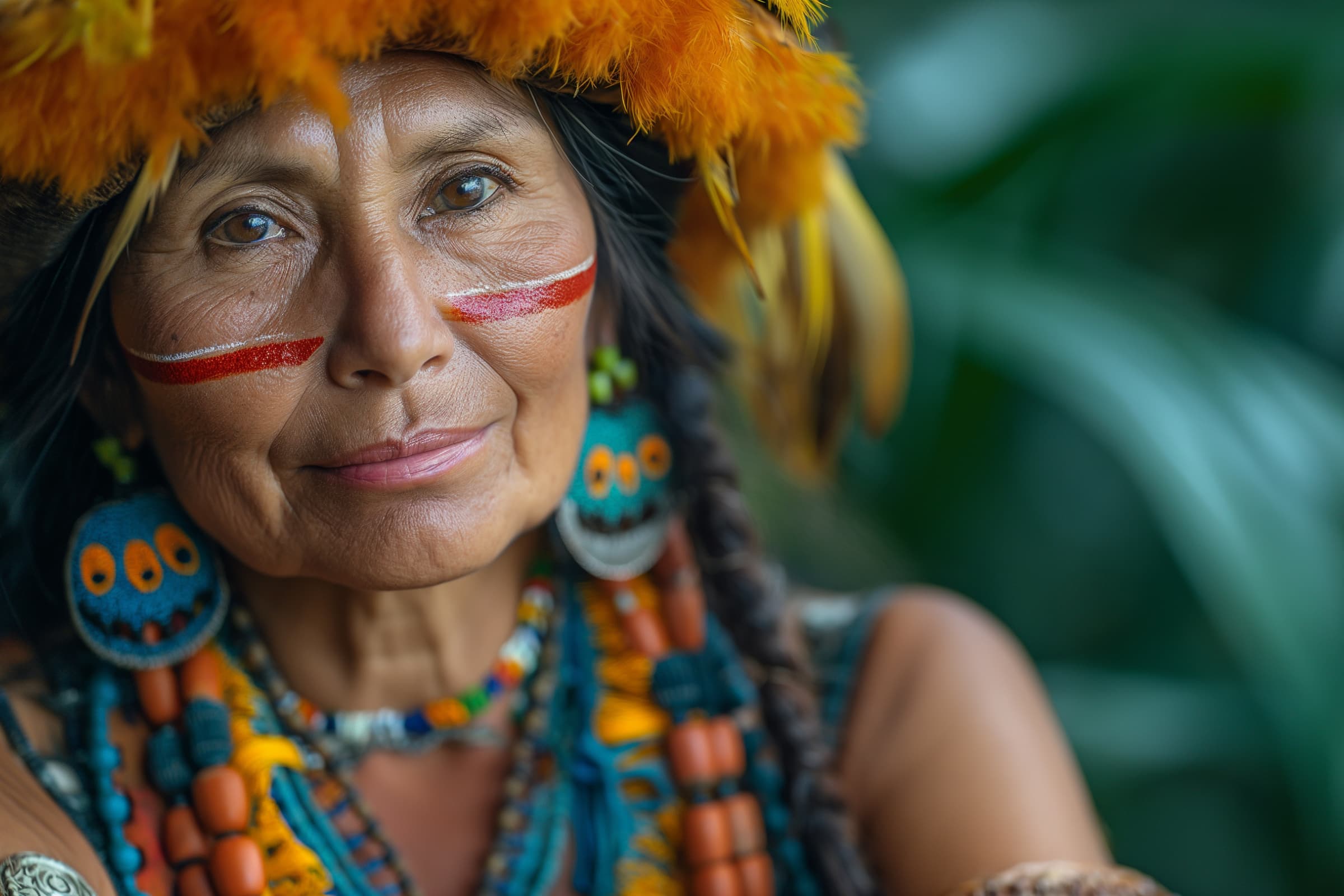
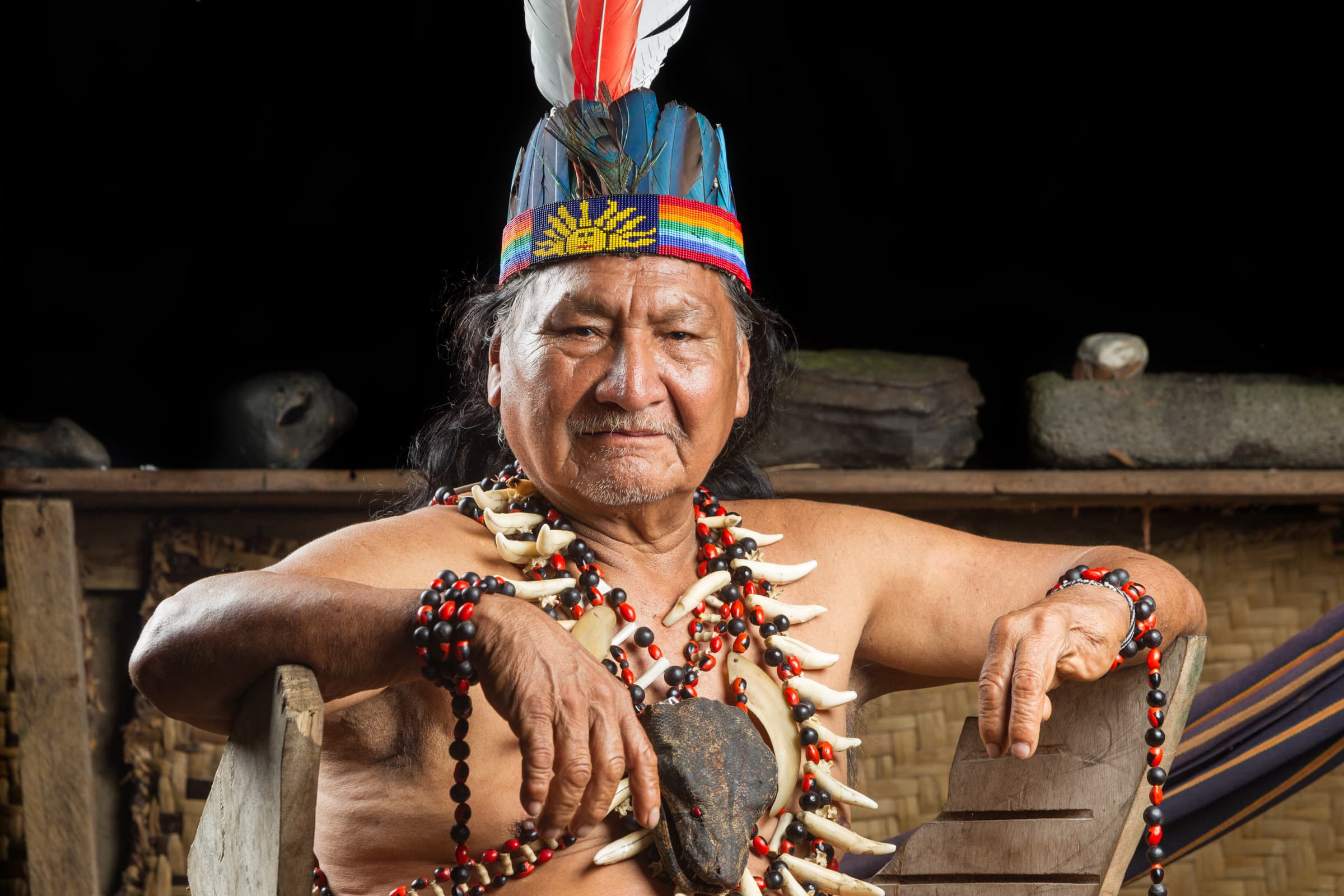
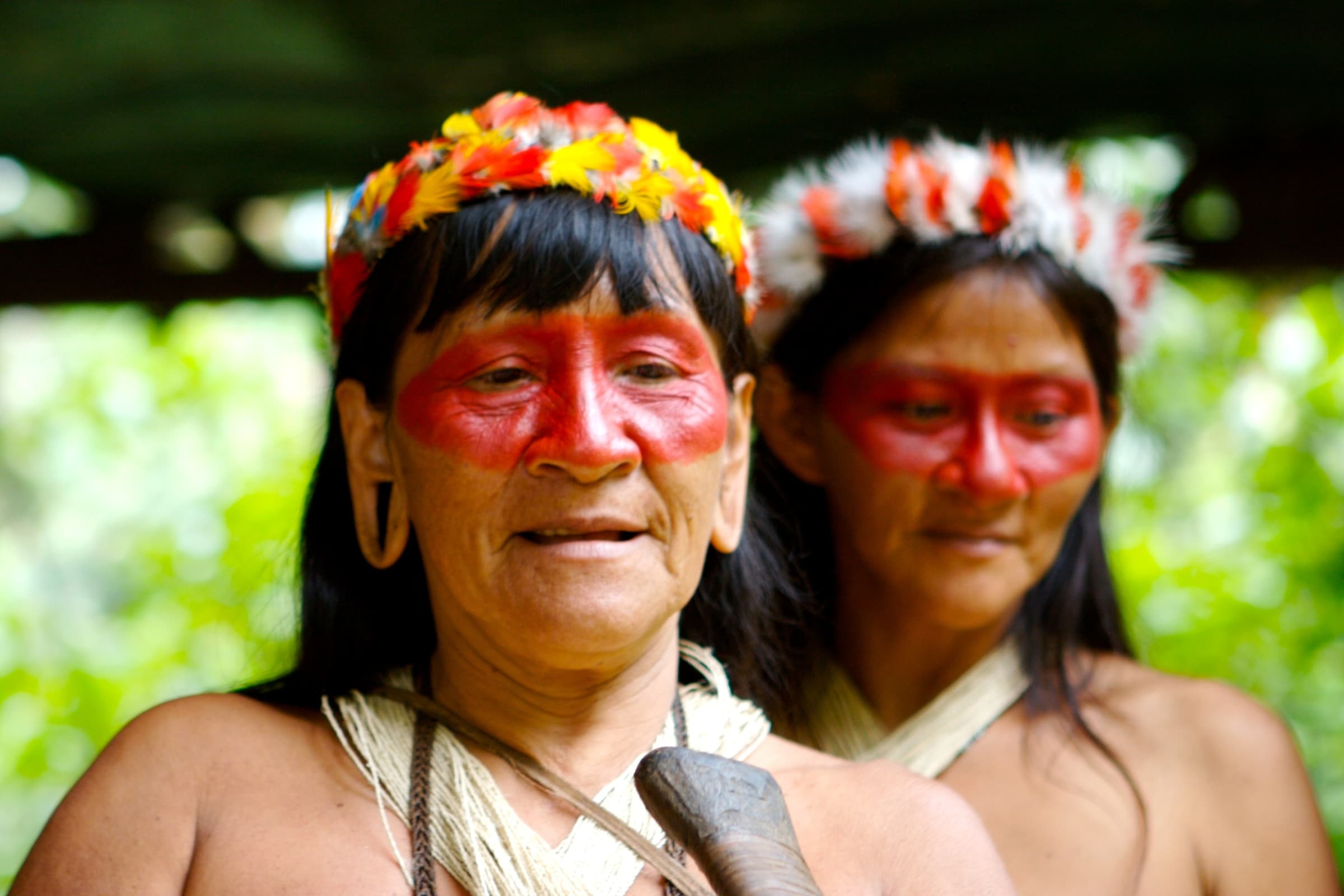
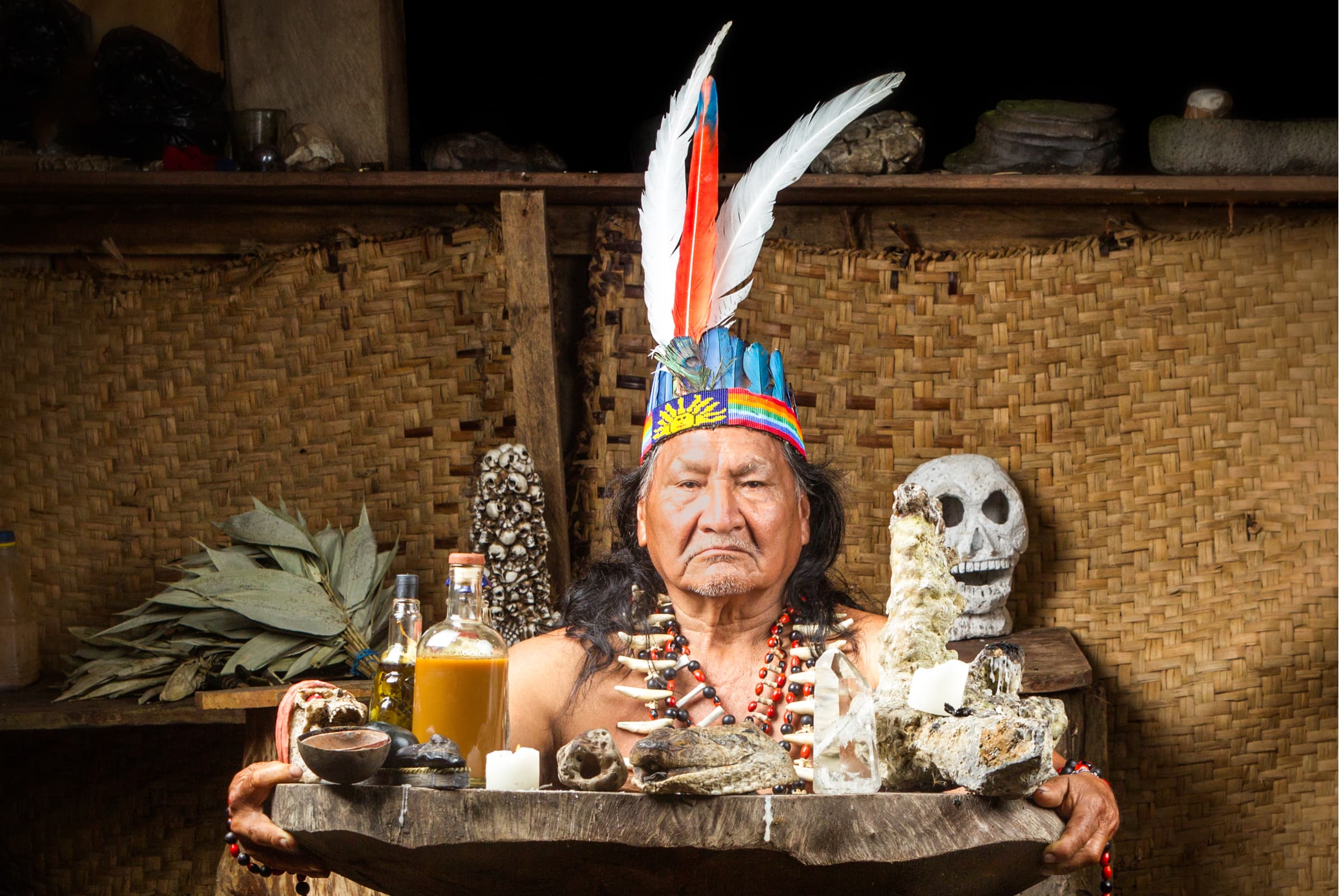
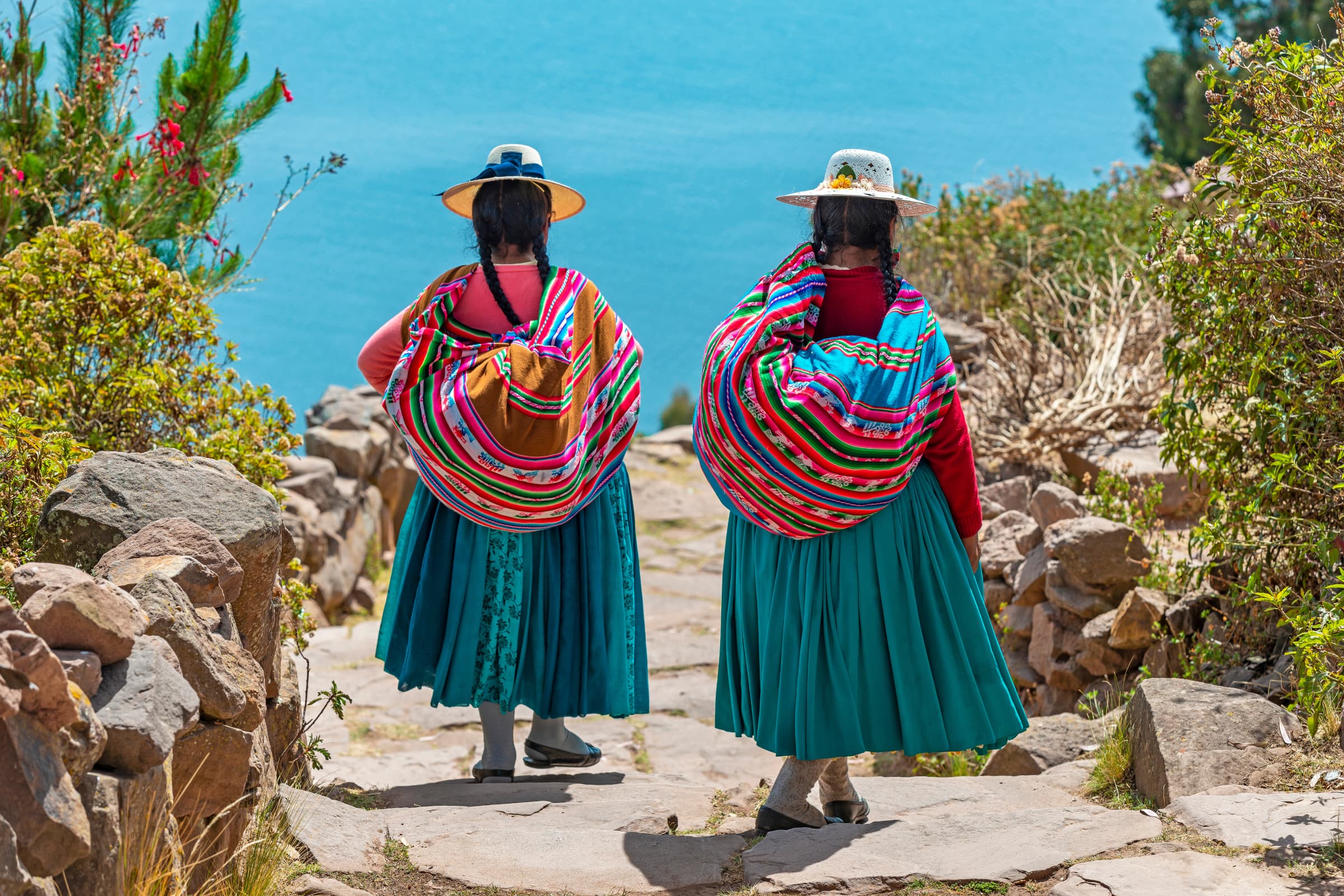
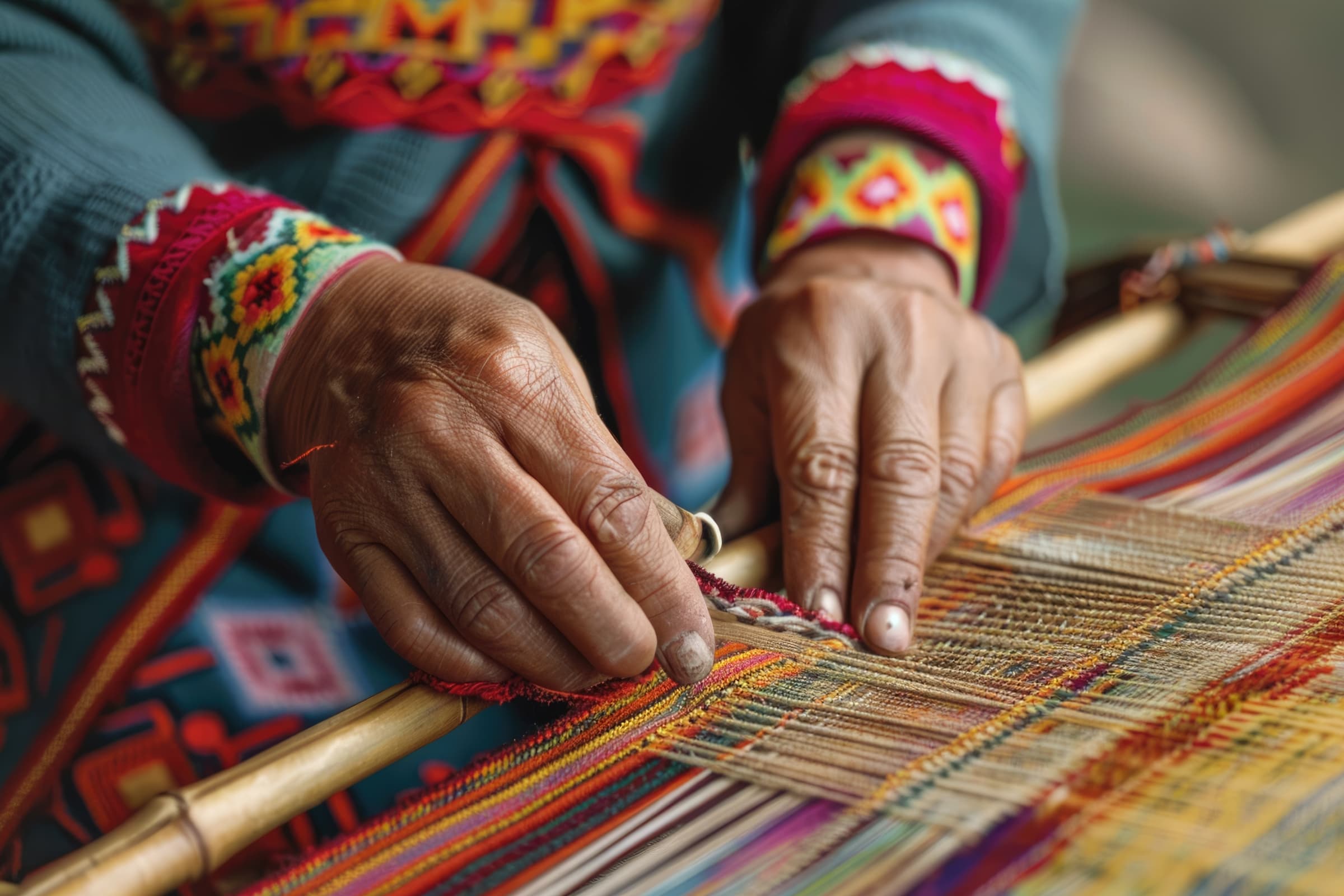
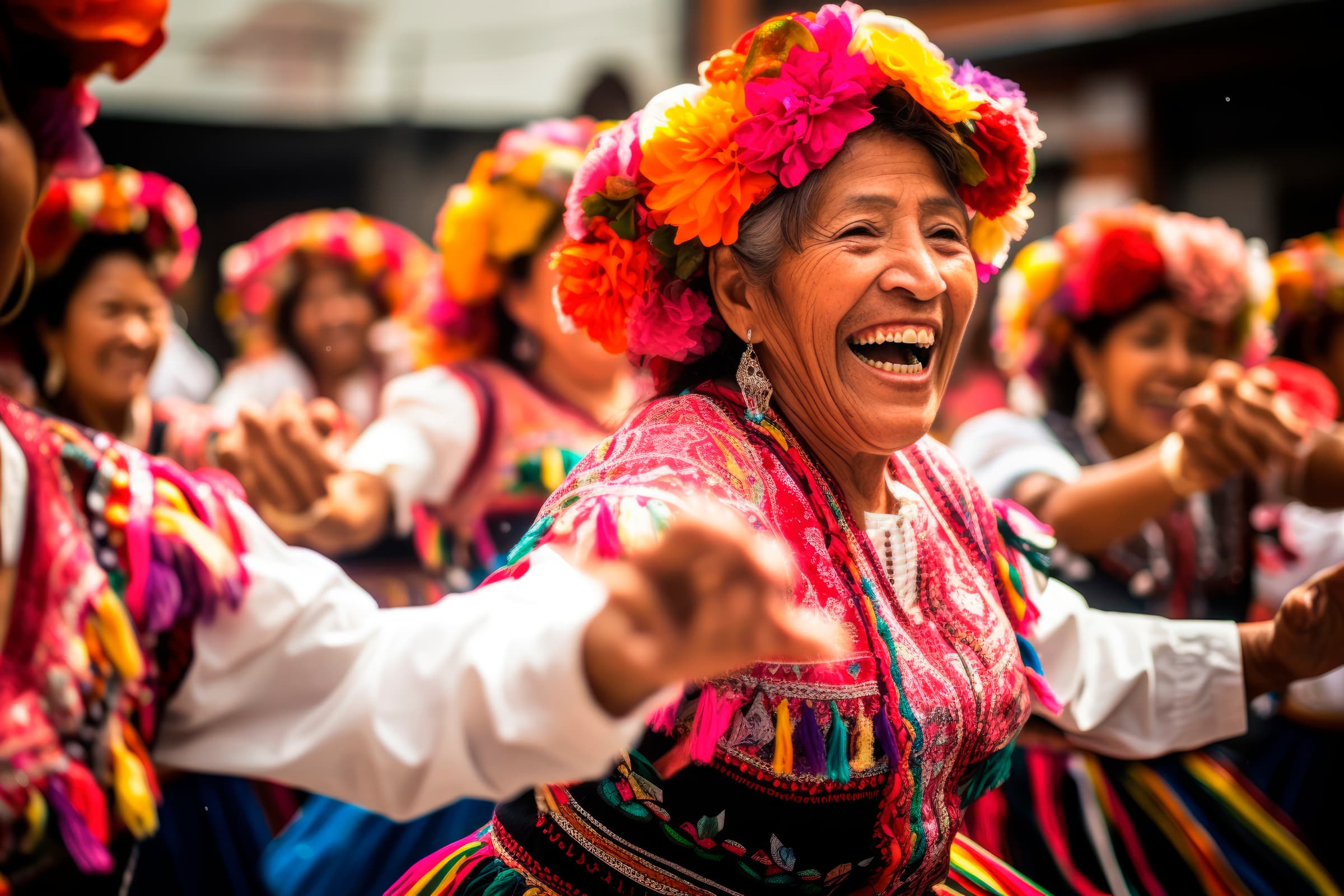
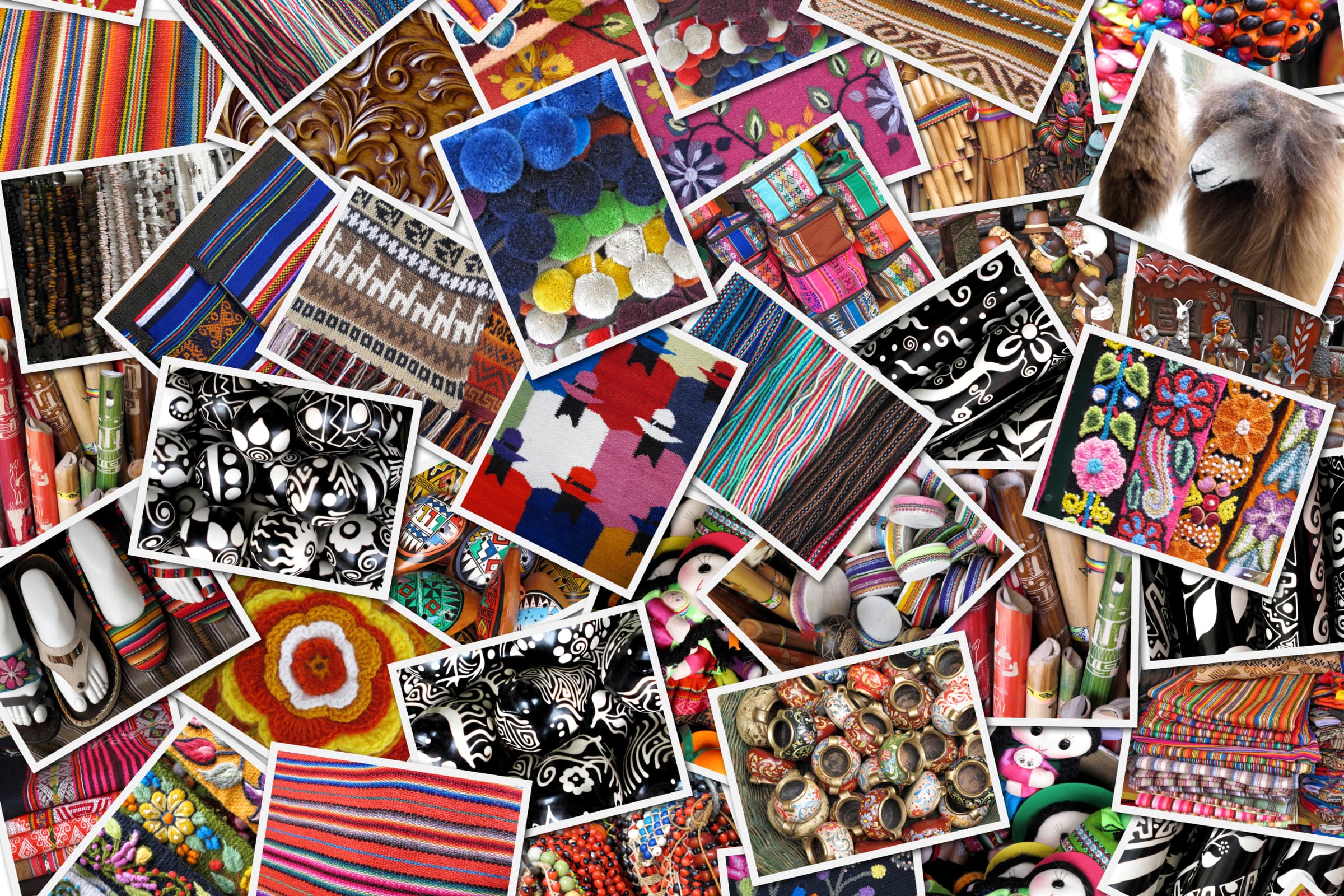
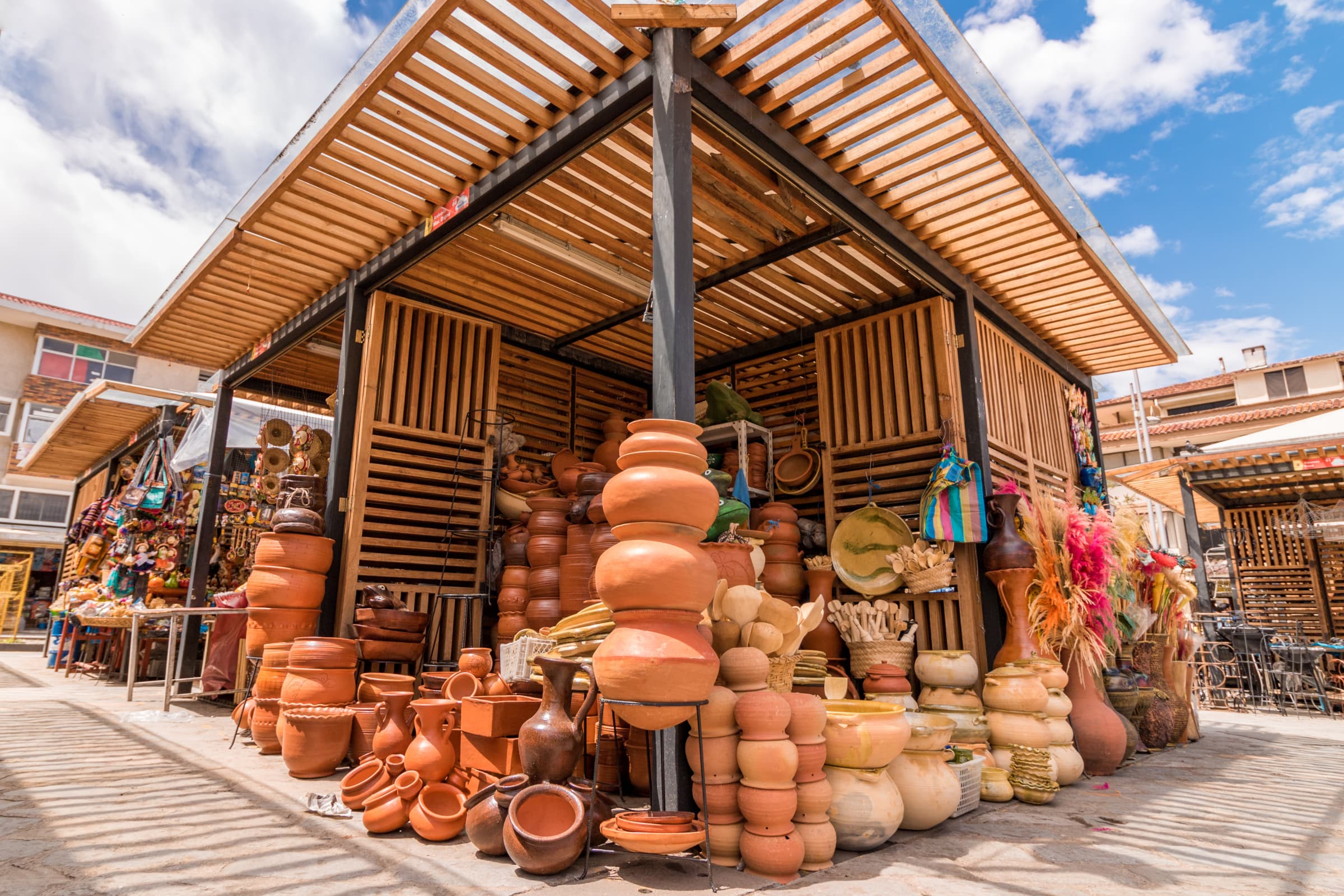
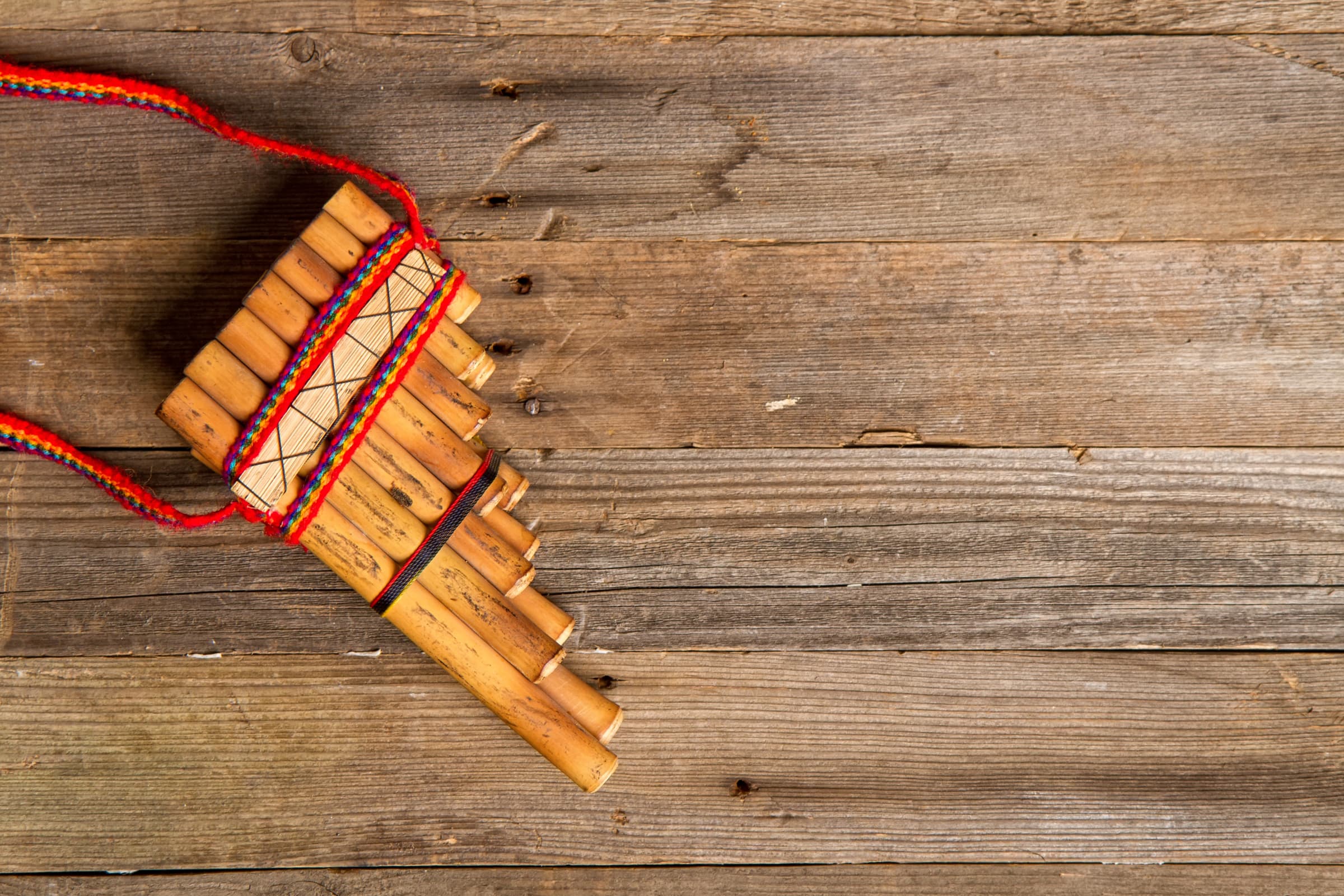
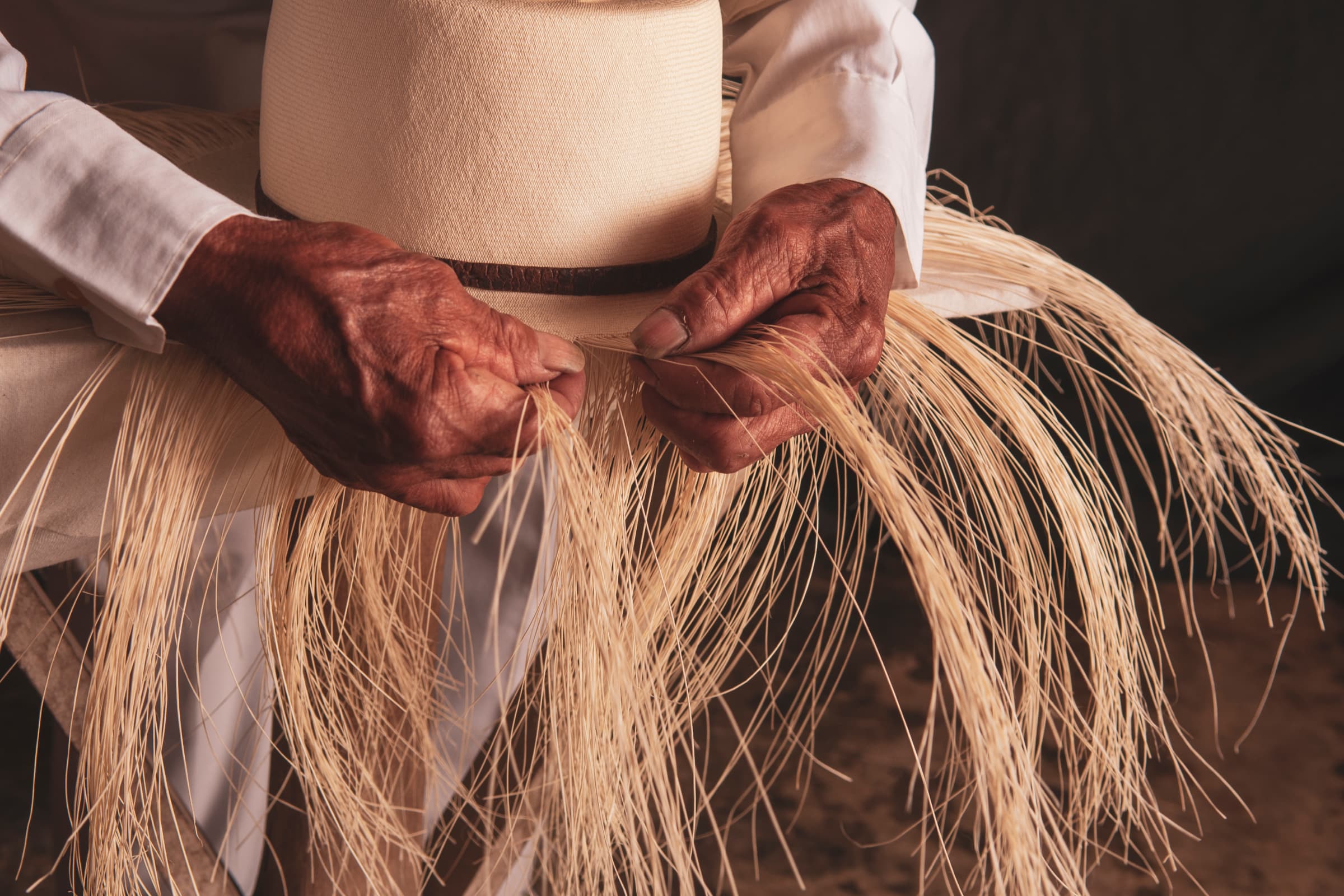
Visual Highlights Across Culture in Ecuador
Use this visual layer to compare the mood, architecture, markets, and place-based variety while you shape a more intentional culture-led route.
Build a More Context-Rich Ecuador Itinerary
Choose the kind of cultural depth that should lead the route, then use regions, providers, and planning tools to turn that into a stronger trip.