How many days should I spend in Ecuador’s Andes?
Four to eight days works for many trips. Use one city base and one or two focused additions instead of changing hotels every day.
Discover colonial cities, volcano landscapes, market towns, cloud forest escapes, and highland routes that work best when you balance culture, scenery, and altitude-aware pacing.
Build an Ecuador Andes route around a city base and a manageable set of nearby visits. Quito is a starting point for the northern highlands; Cuenca supports a separate southern stay. Choose the city, market, volcano or cloud-forest experiences that matter to your group, then compare the transfer time each addition requires. Mindo and the Chocó Andino are cloud-forest extensions rather than high-altitude city stops. Keep arrival day lighter and adapt activities to your group’s response to altitude. Share your highland base, nights available and preferred outings. Include arrival time and mobility needs so transport and daily pacing can be reviewed together. Share your Andes plans.
Use these route shapes as planning frameworks. Confirm current access, weather, transfers, guides and operating conditions before booking.
| Route shape | Best for | Realistic structure | Confirm before booking |
|---|---|---|---|
| Quito and nearby Andes | First visit, culture and flexible day trips | Three to five nights with a light arrival day | Altitude response, hotel location, access and transfers |
| Northern Andes loop | Markets, crafts and rural landscapes | Quito plus Otavalo, Cotacachi or Zuleta | Market days, road time, guide and overnight base |
| Volcano corridor | Cotopaxi, páramo and mountain scenery | One city base plus one or two protected-area days | Current access, weather, elevation and qualified guide |
| Cloud-forest extension | Birding, wildlife and lower-elevation contrast | Two or more nights in Mindo or Chocó Andino | Reserve access, dawn timing, transport and guide |
| Southern Andes route | Cuenca, heritage and slower pacing | Three or more nights around Cuenca before onward travel | Flight or road plan, lodging and regional transfers |
The Andes run through the heart of Ecuador and shape some of the country's most iconic travel experiences. This is where you find Quito's historic core, mountain roads, indigenous markets, volcano viewpoints, thermal springs, and cloud forest detours that make the highlands feel layered rather than one-dimensional.
Compared with the Coast, the Amazon, or Galápagos, the Andes feel more varied day to day. A single route can combine a UNESCO city, a volcano park, a market town, and a nature escape. That is why this page is designed to help you choose the right base first, then move into destination pages, experiences, and planning support that fits the rhythm of highland travel.
Use this page as your Andes planning hub. From here, you can compare destinations, connect region choices to the right experiences, review a sample itinerary, keep the video and gallery as visual planning layers, and move into the trip builder when you are ready to shape a realistic highlands route.
Travelers prioritizing wildlife can compare the Andes and Amazon route with the more focused Wild Andes bears and birds framework.
Use these highlights to decide whether the Andes fit your route, your energy, and your interests.
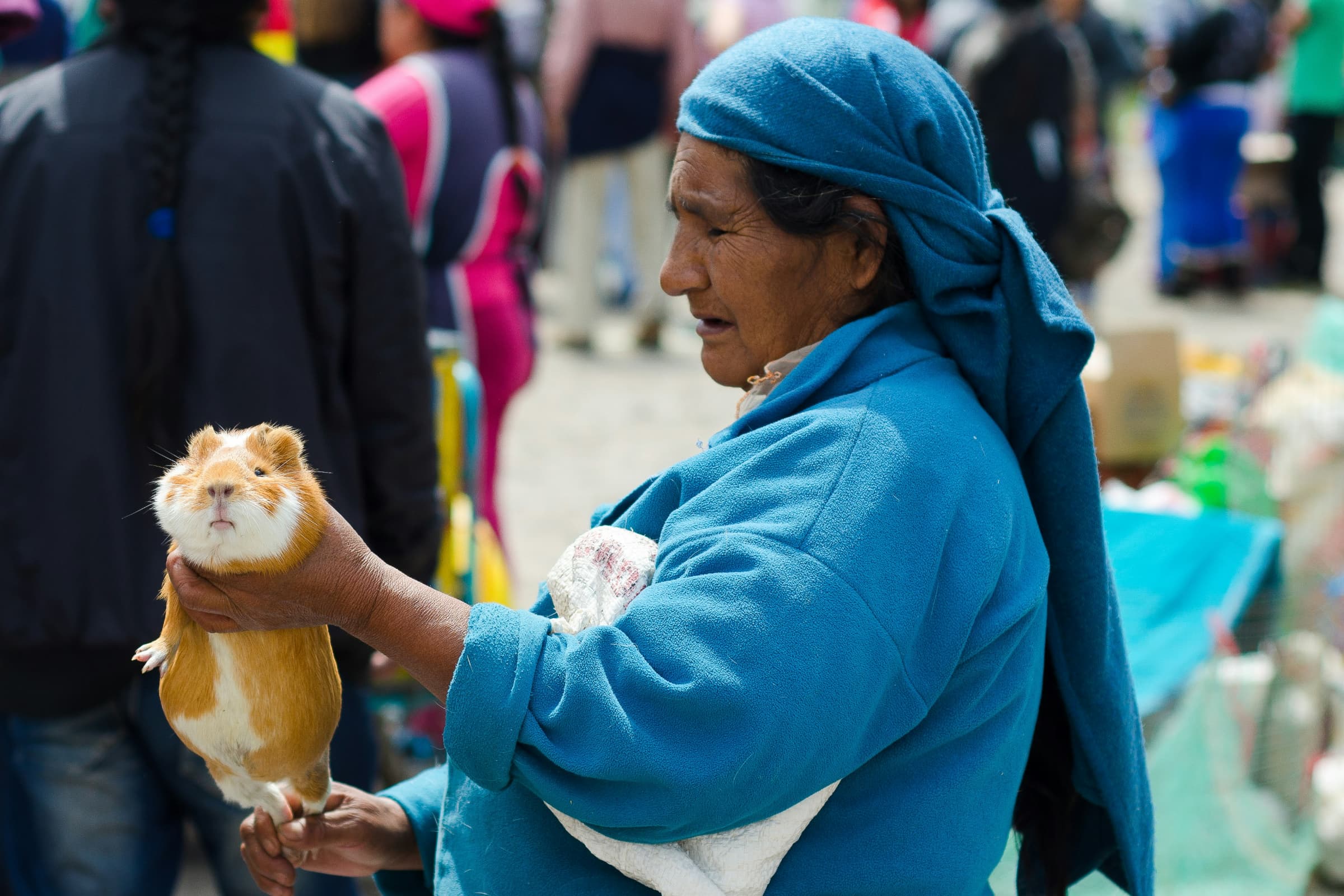
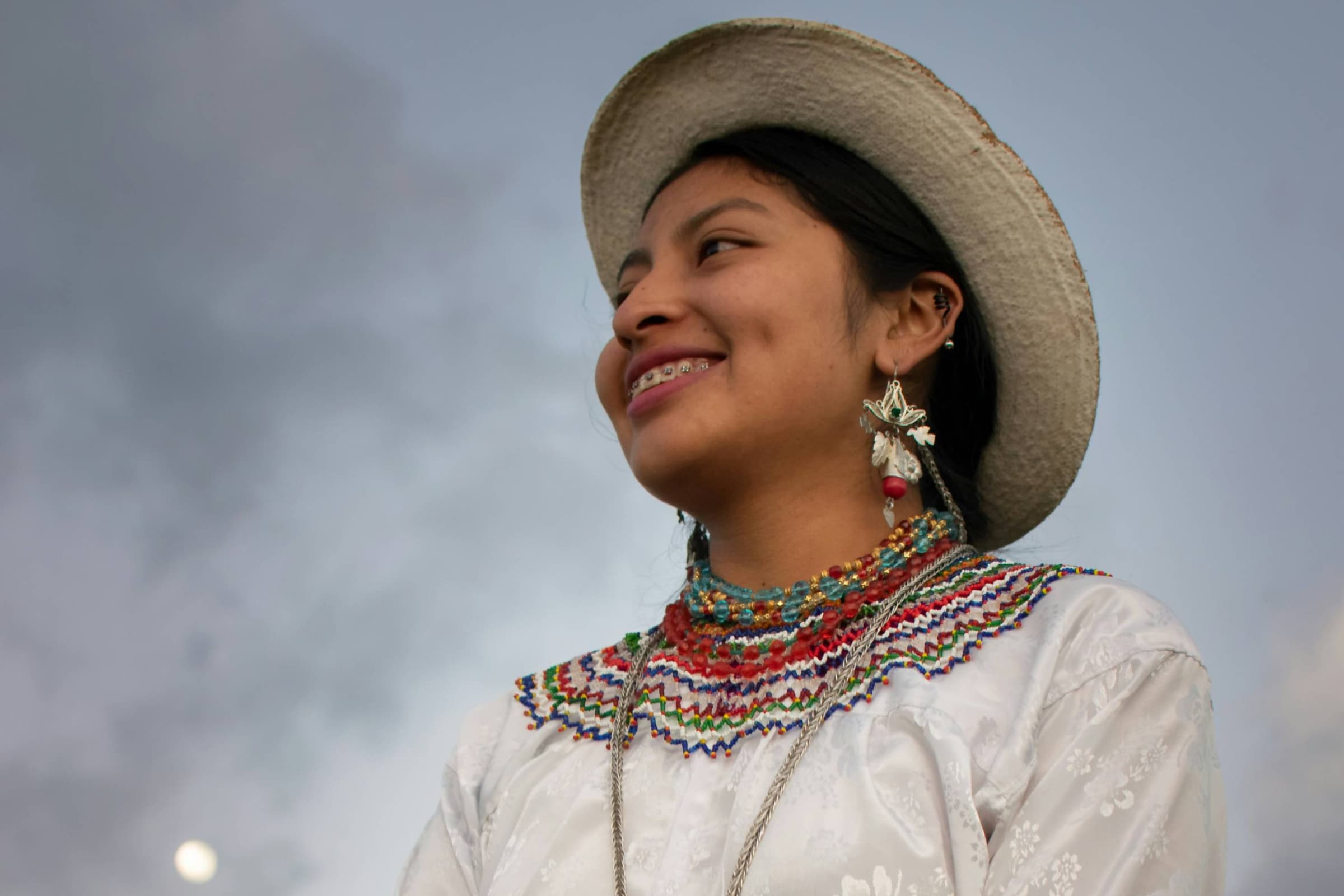
The Andes are the strongest region for colonial architecture, historic centers, local traditions, artisan towns, and highland market culture.
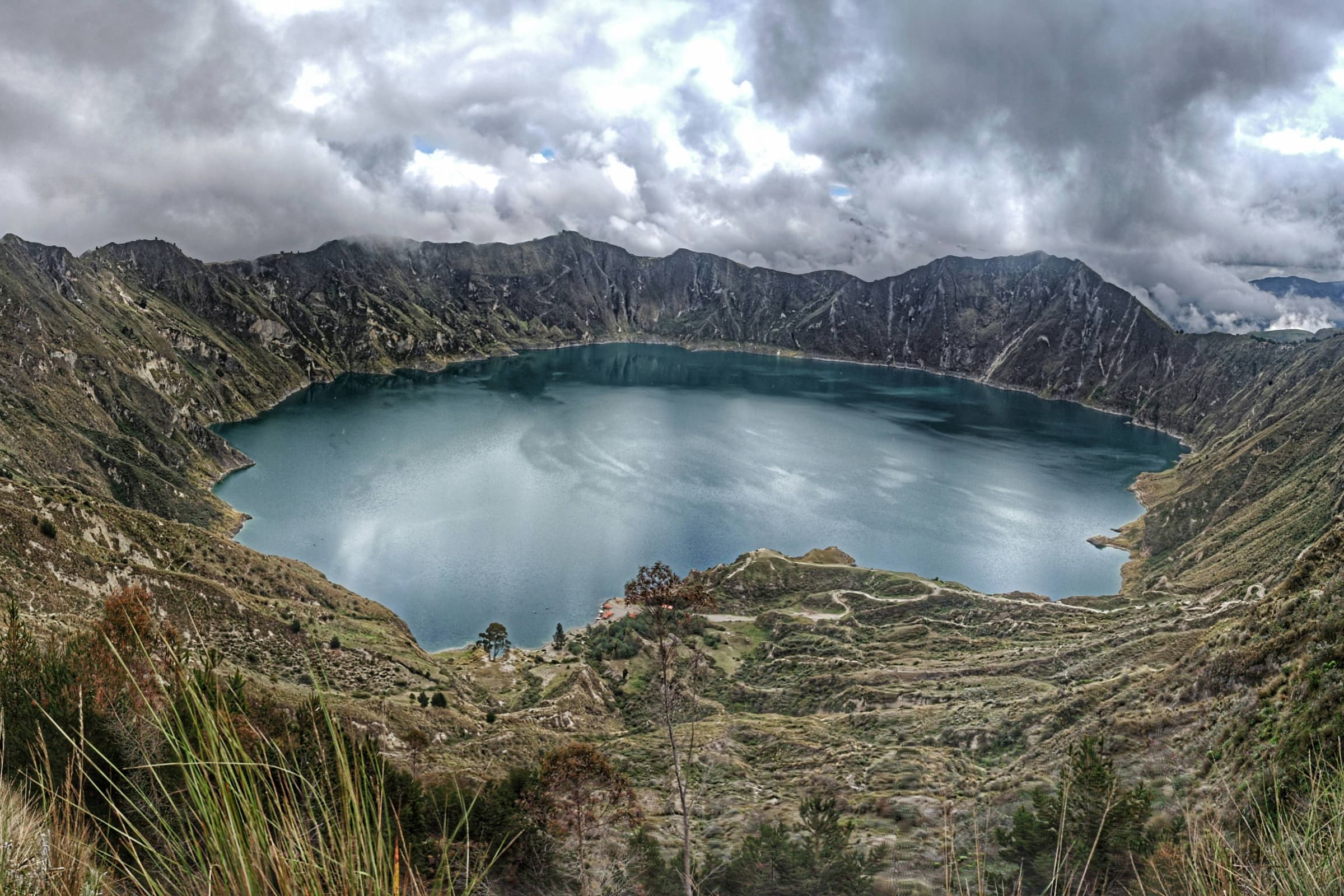
This is the clearest region for dramatic mountain backdrops, paramo landscapes, crater lakes, and classic Ecuadorian viewpoints.
You can build Andes trips around Quito, Cuenca, or smaller highland bases, then add focused day trips rather than changing hotels constantly.
Most Andes routes work best as 4 to 8 days, especially when you combine one major city with a few well-chosen nature or culture add-ons.
Start with the base that matches your pace. Some places work as core city hubs, while others are better as add-ons, loops, or nature-focused escapes.
The main highlands gateway for culture, viewpoints, museums, food, and day trips deeper into the Andes.
Explore QuitoA soft escape from Quito for cloud forest, birding, waterfalls, and a more relaxed mountain-edge pace.
Explore MindoA refined Andean city for colonial streets, food, slower walking days, and an easier southern highlands base.
Explore CuencaA more active highlands base for waterfalls, viewpoints, outdoor energy, and shorter adventure-focused stays.
Explore BañosOne of the most iconic highlands add-ons for mountain scenery, short hikes, and classic volcano landscapes.
Explore CotopaxiA strong north-Andes stop for markets, textiles, local culture, and pairing with nearby lakes and countryside towns.
Explore OtavaloA simple highland reset for thermal springs, mountain air, and shorter wellness-oriented add-ons from Quito.
Explore PapallactaA scenic nature corridor near Quito for cloud forest transitions, wildlife, and softer mountain-edge exploration.
Explore Chocó AndinoA quiet highland add-on for crater-lake scenery, artisan identity, and pairing with nearby Otavalo routes.
Explore CotacachiA countryside detour with embroidery traditions, slower rural pacing, and a more intimate northern highlands feel.
Explore ZuletaChoose your city base first, then add one or two nearby highlands experiences. The Andes work best when you group places by geography instead of trying to cover the entire mountain spine too quickly.
Use Quito for first-time arrival logic, Otavalo for markets and north-Andes loops, Cotopaxi for volcano scenery, Mindo and Chocó Andino for nature, Papallacta for a thermal reset, Baños for waterfall energy, and Cuenca when you want a stronger southern-Andes city base.
These are the experience pathways most directly connected to travel through Ecuador's highlands.
The Andes are the strongest region for city history, local traditions, craft culture, and high-value walking days.
Explore cultureWorks through hikes, mountain viewpoints, waterfall routes, volcano access, and more active highland add-ons.
Explore adventureIdeal for volcano landscapes, cloud forest transitions, crater lakes, and slower scenic days in the highlands.
Explore natureThis section is designed to become a stronger conversion layer as more curated members are added across the Andes.
Future featured stays and partners will help travelers choose the right city or countryside base with more confidence.
Open recommendationsAs the member layer grows, this section will connect the region to more trusted guides, stays, and place-based experiences.
Open recommendationsFuture recommendations will make it easier to align scenic routes, altitude pacing, and mountain add-ons inside one itinerary.
Open recommendationsThis is not the only way to plan the highlands, but it shows how a base-led route can feel smoother than trying to cover too much too quickly.
Use Quito as your anchor, keep the day light, and focus on rest, views, and a short historic-center introduction.
Dedicate a full day to architecture, food, viewpoints, and the city's role as the practical center of an Andes itinerary.
Add Mindo, Chocó Andino, or Papallacta depending on whether you want forest, wildlife, or hot springs.
These quick notes help turn Andean inspiration into a route that works on the ground.
Do not overpack your first highland day. Pace matters more in the Andes than in many lower-altitude routes.
Build around Quito, the north Andes, central volcano zones, or the southern highlands instead of zigzagging across the region.
The strongest Andes trips combine a city base with one or two scenic or nature-focused add-ons.
Mountain conditions shift quickly, so a little flexibility improves viewpoints, hikes, and longer transfer days.
These guide links extend the Andes region page into broader planning and comparison content.
Use this guide if you are still comparing the Andes with Ecuador's other regions before finalizing your route.
Open guideMove from region-level planning into lodging logic once your route and priorities feel clearer.
Open guideUse the planning tool once you know whether your highlands route should focus on one hub or a longer multi-stop loop.
Open trip builderSee how city history, local traditions, and market culture can shape a stronger Andes itinerary.
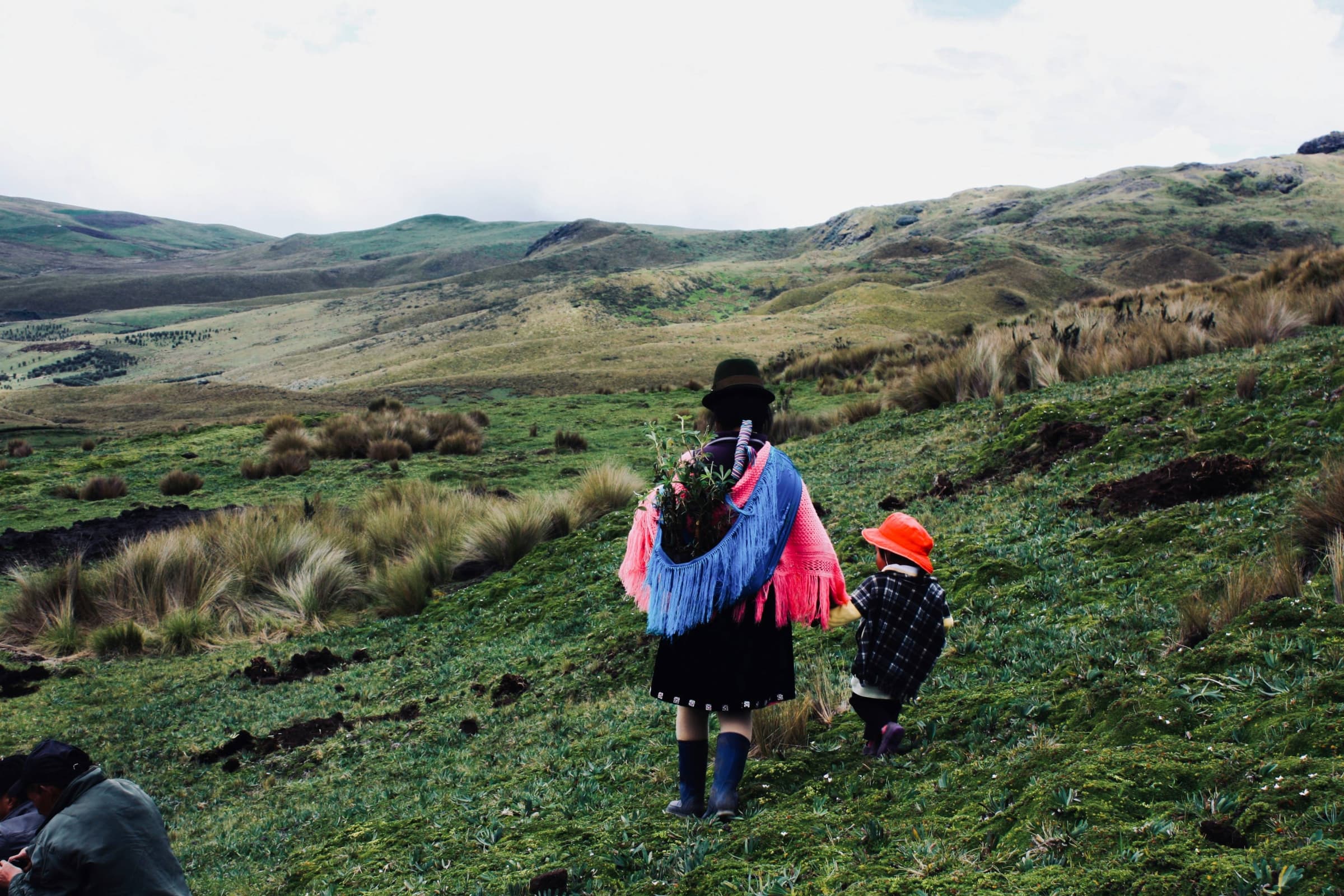
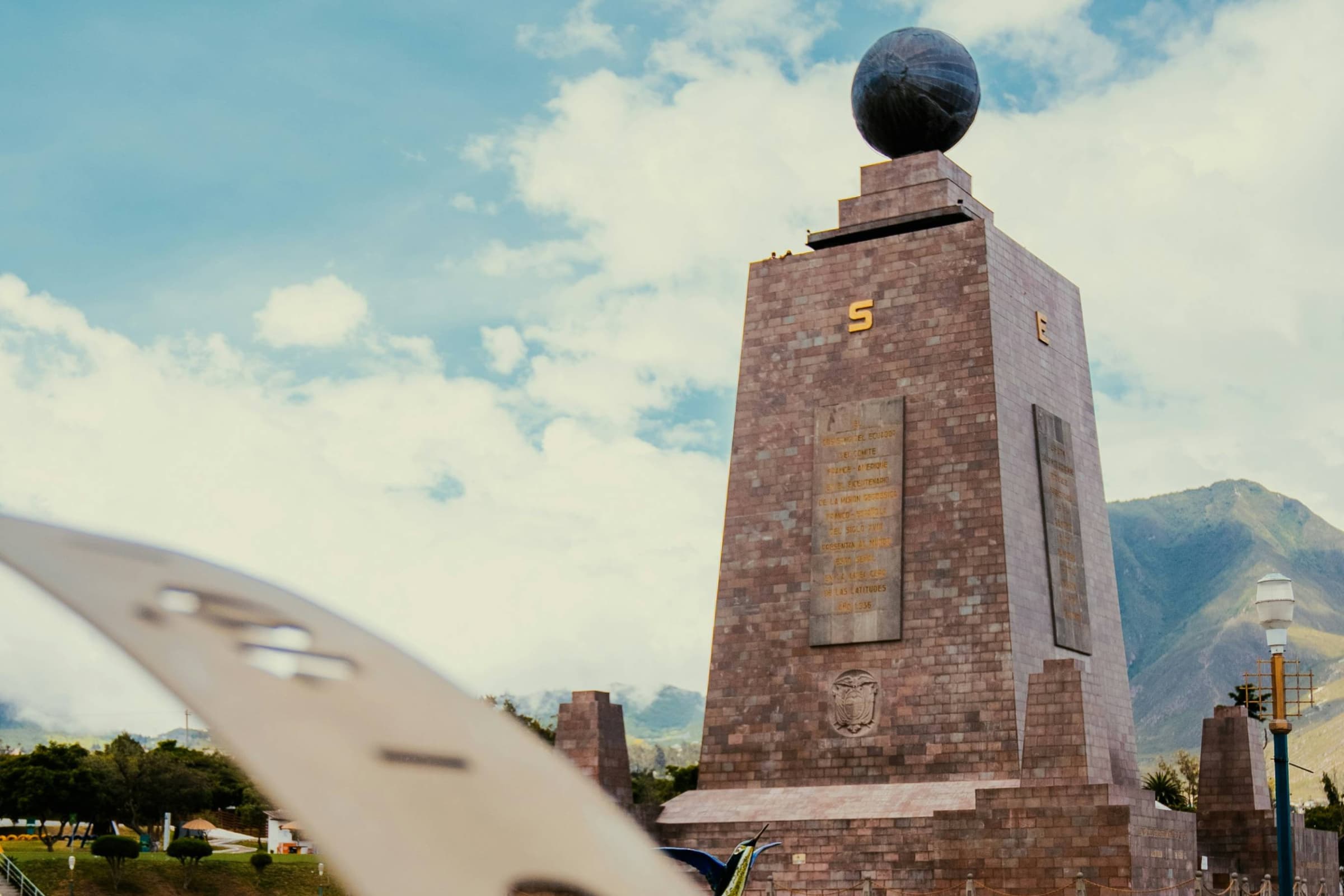
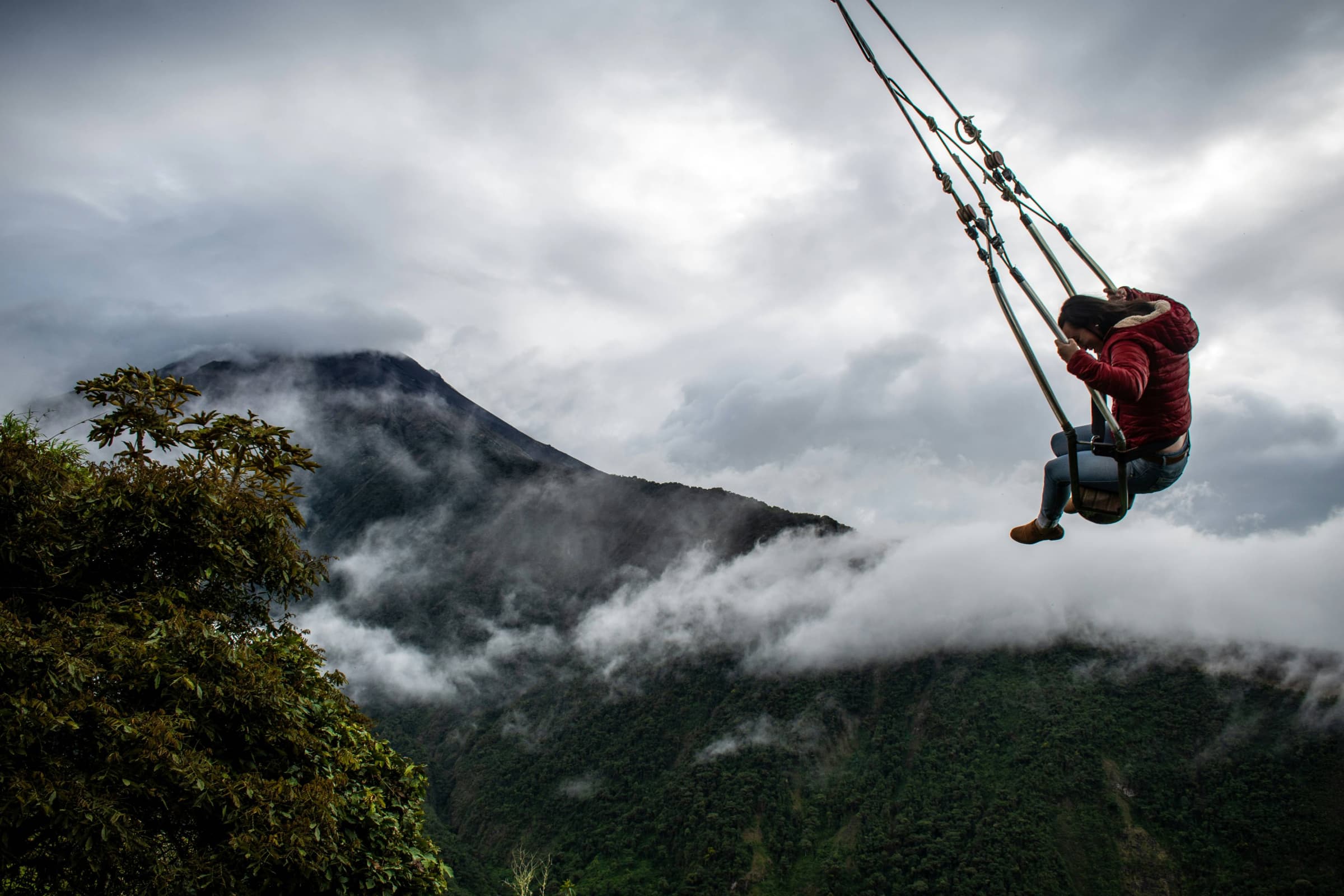
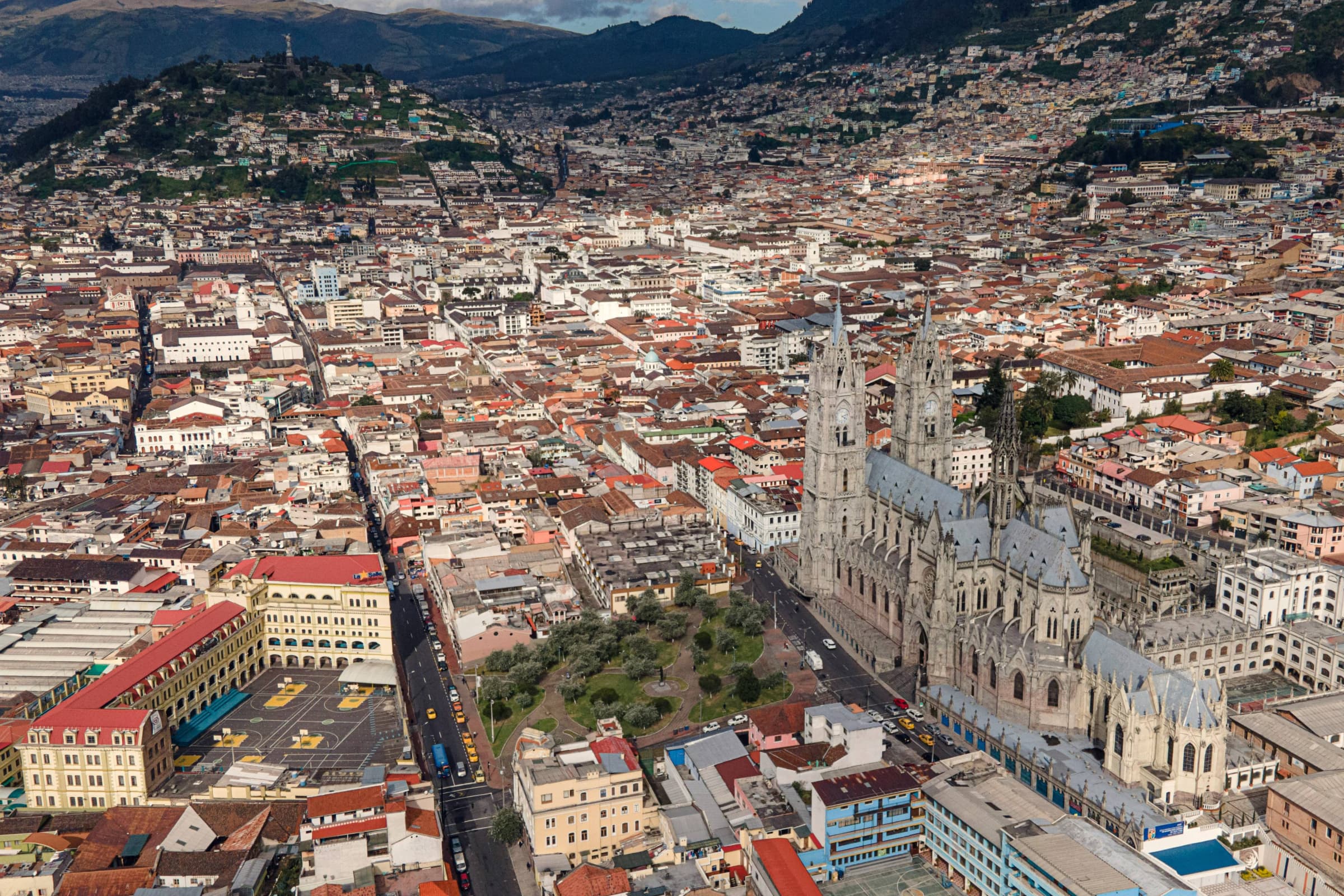
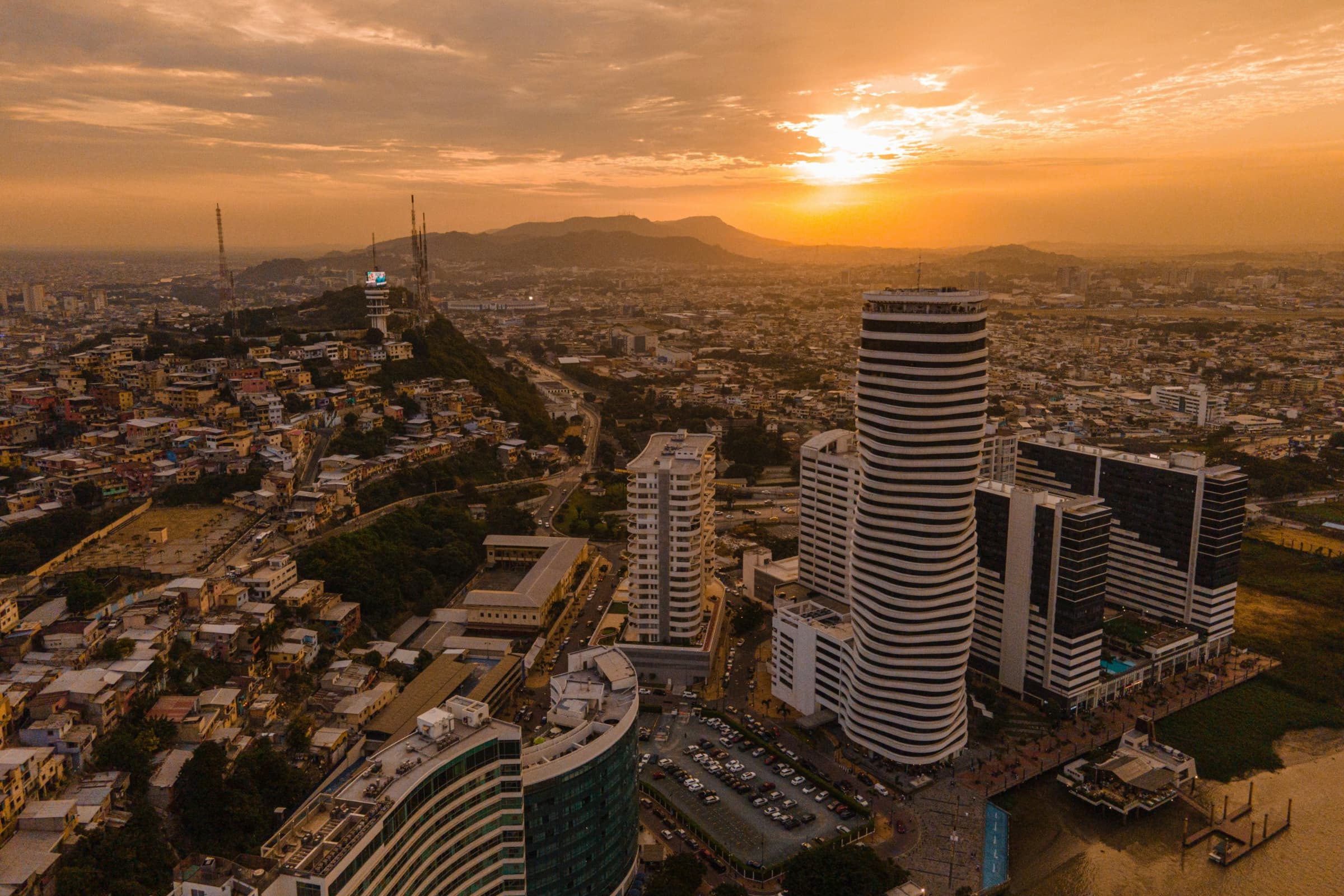
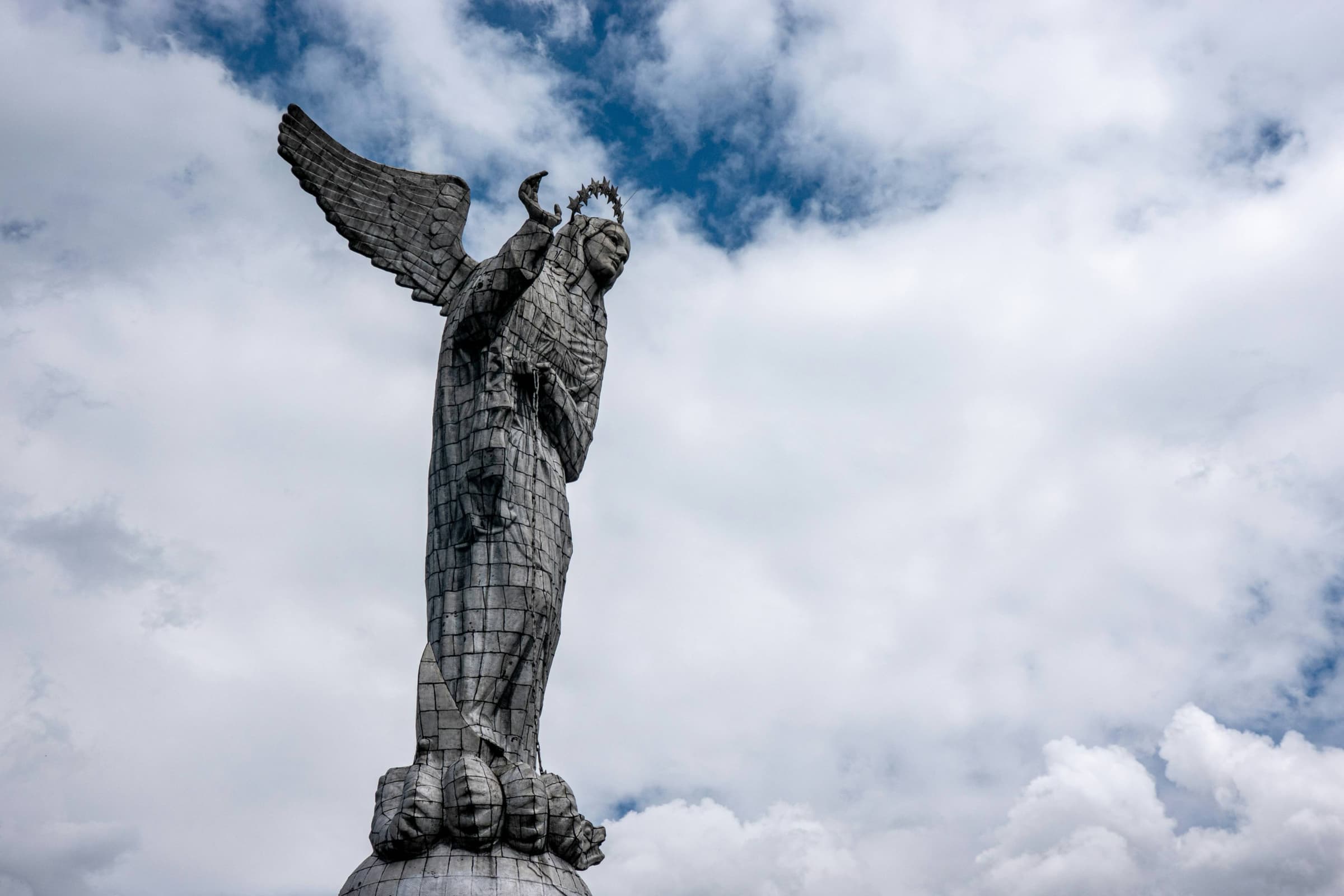
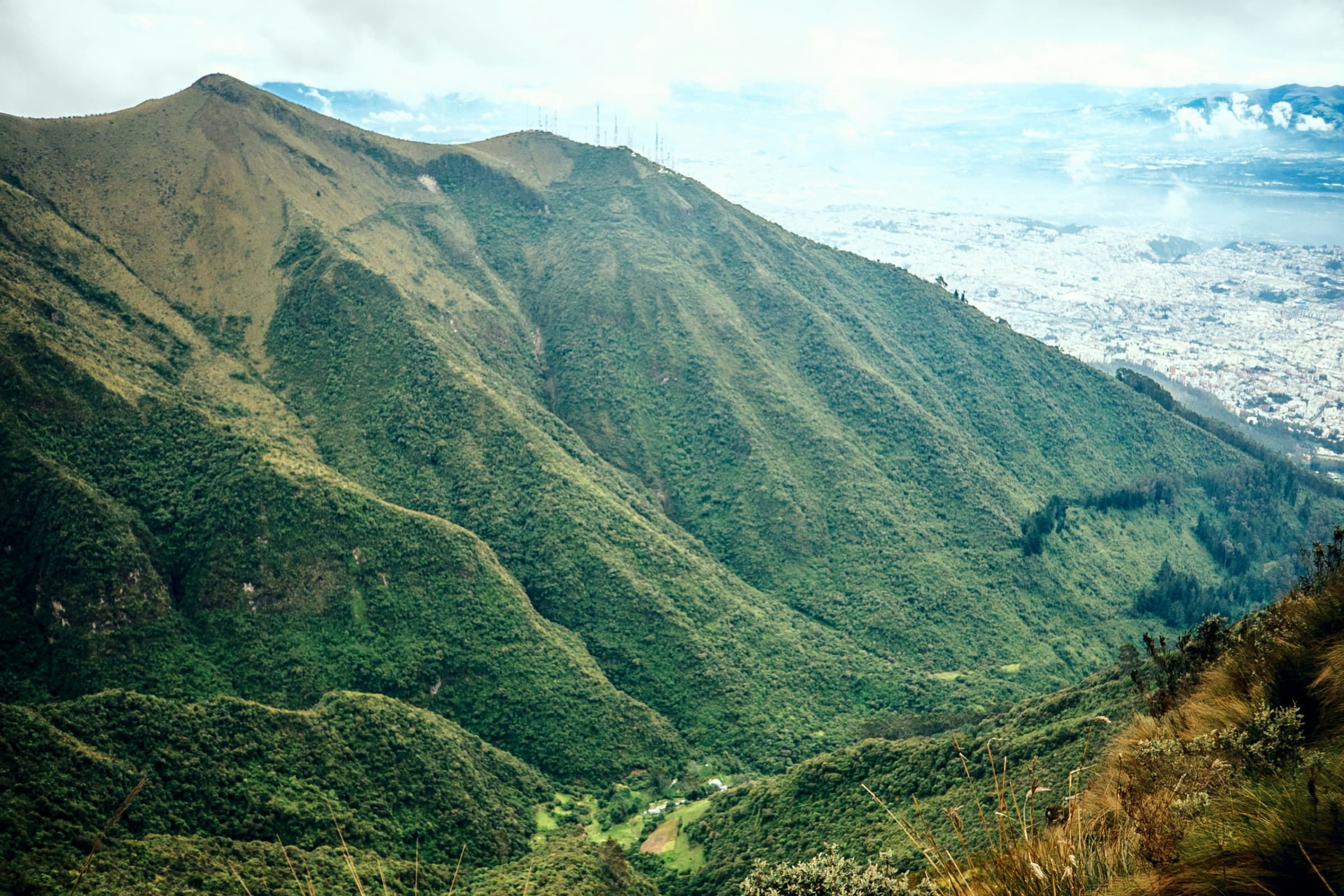
Open experienceKeep this visual layer as part of the planning experience. It reinforces the region's mountain scale, scenic drives, and highland identity.
This visual layer is preserved as part of the region hub. Use it to compare the mood, scenery, and rhythm of the highlands while destination pages continue to grow.
Once you know which highland base and experiences fit your priorities, use the trip builder to shape a route that works with your time, your pace, and your overall Ecuador plan.
Go deeper into highland cities, compare experiences, and use curated planning support to turn a broad mountain itinerary into a clearer and more rewarding route.