How should you plan birdwatching from Quito?
Use Quito as a high-Andes gateway, choose one verified habitat and access plan for each birding day, and keep the first high-elevation outing moderate while you assess altitude response. Quito works best as a base for nearby reserves and elevation contrasts, not as a promise that specialist birding happens inside every part of the city.
Confirm current access, permits, guide expertise, elevation, start time, private or shared transport, walking difficulty, weather, equipment, meals, inclusions and cancellation terms. Wildlife is never guaranteed.
Compare Birdwatching Plans from Quito
| Priority | Route shape | Best for | Confirm |
|---|---|---|---|
| Gentle first outing | Accessible foothill or urban-edge habitat | Arrival days and first-time birders | Elevation, access, mobility, guide |
| High-Andes specialties | Early departure to a verified reserve corridor | Dedicated birders | Permit, altitude, weather, transport |
| Photography | One controlled site with time for light and behavior | Photographers | Rules, group size, equipment, access |
| Quito plus Mindo | High elevation followed by cloud-forest nights | Habitat contrast | Sequence, luggage, transfers, guide roles |
| Short Andes transition | One birding day between city and onward travel | Broader Ecuador itineraries | Flight margin, pickup, route, duration |
Birdwatching in Quito at a Glance
This page is for travelers who want a destination-first birding base with city access and strong regional flexibility.
Best for
Highlands birding, easy day trips, mixed wildlife plus city travel, and broader Andes route planning.
Difficulty level
Easy to moderate, depending on altitude, early starts, and how many nearby reserves or longer field days you want to include.
Typical duration
Two to three days works well for most travelers, with longer stays making sense when Quito is the main Andes anchor.
Region fit
Best within the Andes planning zone, especially when paired with Mindo, Cotopaxi, or a wider highlands route.
Why Quito Works Well for Birdwatching
Quito works well because it gives birdwatchers a practical and comfortable base without disconnecting them from strong nature access. While Quito itself is not a primary birding hotspot, its strength comes from how easily it connects you to nearby reserves and highland habitats. You can stay connected to the city, move easily into nearby habitats, and keep the route simple enough for travelers who want wildlife without building the whole trip around remote logistics.
It is also very useful for travelers who want birding to sit inside a broader Ecuador plan. Many birding days from Quito focus on nearby areas like Yanacocha, Tandayapa, and Antisana, each offering different highland environments. Quito makes it easier to mix early nature sessions with city time, regional movement, and smoother arrivals and departures. That balance makes the experience work well for birders, photographers, couples, and first-time wildlife travelers.
That makes Quito especially strong for travelers who want birdwatching to be one part of a fuller Andes route that can also include nature, culture, and broader Andes planning.
Best Destinations to Pair With Quito Birdwatching
Use these destinations when shaping a fuller route around Quito instead of treating it as a standalone stop.
Quito
The main base for this route, with easy access to birding days, city services, and wider regional planning.
Explore QuitoMindo
A natural add-on when you want to extend a Quito-based birding route into a softer cloud forest pace.
Explore MindoCotopaxi
Useful when you want a broader Andes itinerary with a different landscape pace before or after Quito.
Explore CotopaxiProvider Pathways for a Quito Birding Trip
Use these provider pathways to find the right mix of guiding, stays, and trip support for the style of birding experience you want around Quito.
Birding Guides
These providers help you choose the right guide style, pace, and level of field support for your trip.
Open recommendationsWildlife-Friendly Stays
These stays make early starts easier and help create a more comfortable and consistent birding base.
Open recommendationsTrip Support
Useful for travelers who want the destination to feel smooth, with stronger transitions between Quito and nearby Andes stops.
Open recommendationsWhat a Birdwatching Stay in Quito Usually Feels Like
The strongest Quito routes usually balance field time with enough comfort and flexibility to keep the trip efficient and enjoyable.
Start with one reliable base
Keep Quito as the main base so arrivals, early mornings, and day planning remain easy to manage.
Build around early field windows
Most travelers get the most out of Quito when nearby birding sessions shape the day and the rest of the schedule stays flexible.
Leave room for city and recovery time
Quito works best when birding shares space with meals, culture, lighter afternoons, and a more sustainable pace.
Pair it with one supporting stop
Use Mindo, Cotopaxi, or another Andes destination to give the trip more shape without making the route feel overloaded.
Who Birdwatching in Quito Fits Best
This destination works beyond dedicated birders because the route can stay practical, comfortable, and easy to personalize.
Birders
Strong for travelers who want a city-connected base with flexible access to nearby highland birding days.
Photographers
Useful for travelers who want wildlife-focused time while still keeping the route comfortable and efficient.
Couples
Ideal when one traveler is more bird-focused and the other wants city access, comfort, and broader travel variety.
First-time wildlife travelers
Very good for people who want an accessible introduction to Ecuador birding without starting with a fully remote route.
Best Time for Birdwatching in Quito Depends on Route Shape and Flexibility
Quito can work across much of the year, but the best trip shape depends on how much intensity, altitude tolerance, and regional movement you want. Conditions can vary with altitude and weather patterns, so planning flexibility matters more than specific months.
Short city-based stays
Best when you want efficient birding days while keeping the trip centered around Quito logistics and city comfort.
Longer Andes routes
Best when Quito acts as the anchor for a wider highlands route with extra time for regional contrast.
Mixed travel itineraries
Best when birdwatching is part of a broader Ecuador plan that also includes culture, scenery, and lighter travel days.
Pair Quito Birdwatching With the Right Supporting Experiences
These related pages help keep the route broader, calmer, and easier to personalize.
Wildlife & Birding
Go broader when you want to compare how Quito fits into the wider Ecuador wildlife picture.
Open Wildlife & BirdingNature
Use this when you want the route to feel more landscape-led and less specialized around birds alone.
Open natureCulture
Useful for travelers who want Quito birding to sit beside neighborhoods, food, and a richer city experience.
Open cultureGo Deeper With Regions, Guides, and Planning Tools
These next steps help turn destination interest into a stronger Quito-centered route.
Quito Destination Page
Start here if you want broader destination framing beyond birdwatching alone.
Open destinationWhere to Stay in Ecuador
Use this guide to compare how a Quito base should fit against other Ecuador lodging decisions.
Open guideTrip Builder
Shape a route that combines Quito with the right arrival point, pace, and supporting destinations.
Open trip builderRecommendations
Use the recommendation layer to compare guiding, stays, and logistics that match the trip you want to build.
Open recommendationsCommon Questions About Birdwatching in Quito
These are the most useful questions travelers ask before making Quito part of a wider Ecuador route.
Why is Quito useful for birdwatching?
Quito works well for birdwatching because it gives travelers a comfortable urban base with easy access to highland habitats, nearby reserves, and wider Andes planning.
How many days should I spend birdwatching in Quito?
Two to three days works well for most travelers, especially when Quito is part of a wider route that also includes Mindo, Cotopaxi, or other Andes stops.
Can Quito birdwatching work for first-time travelers?
Yes. Quito is especially useful for travelers who want birding access without committing to a fully remote wildlife trip from the start.
Is Quito better as a base or a standalone birding destination?
For most travelers, Quito works best as a base that makes nearby birding days easier while still connecting well with city time and broader Andes travel.
Are high-Andes bird sightings guaranteed from Quito?
No. Wildlife, weather and access change. Choose habitat and a qualified guide carefully, but treat every target species as a possibility rather than a promise.
What should I confirm before a Quito birdwatching day?
Confirm the exact site, current access or permit, guide expertise, elevation, start time, transport, walking difficulty, weather, equipment, meals, inclusions and cancellation terms.
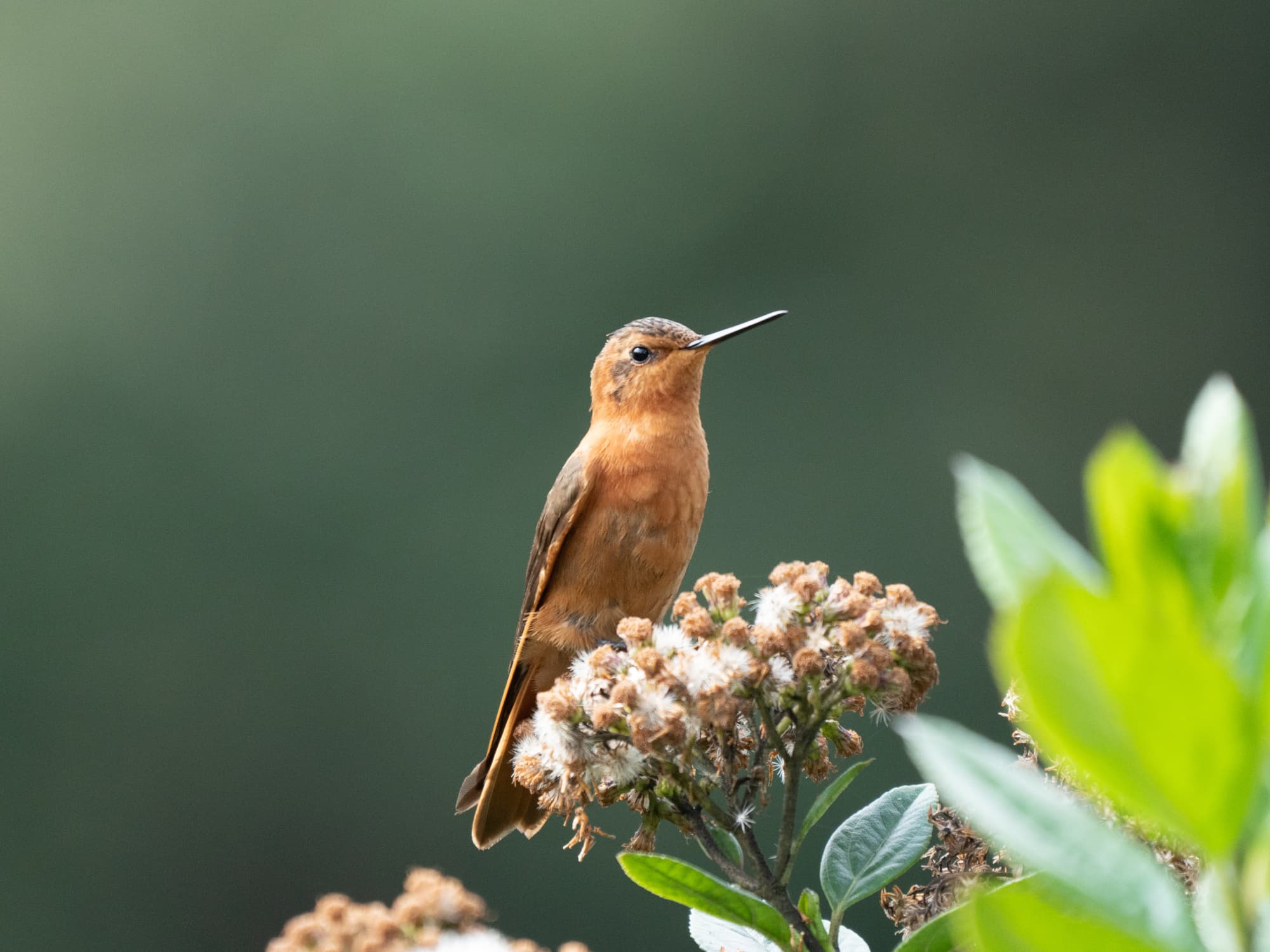
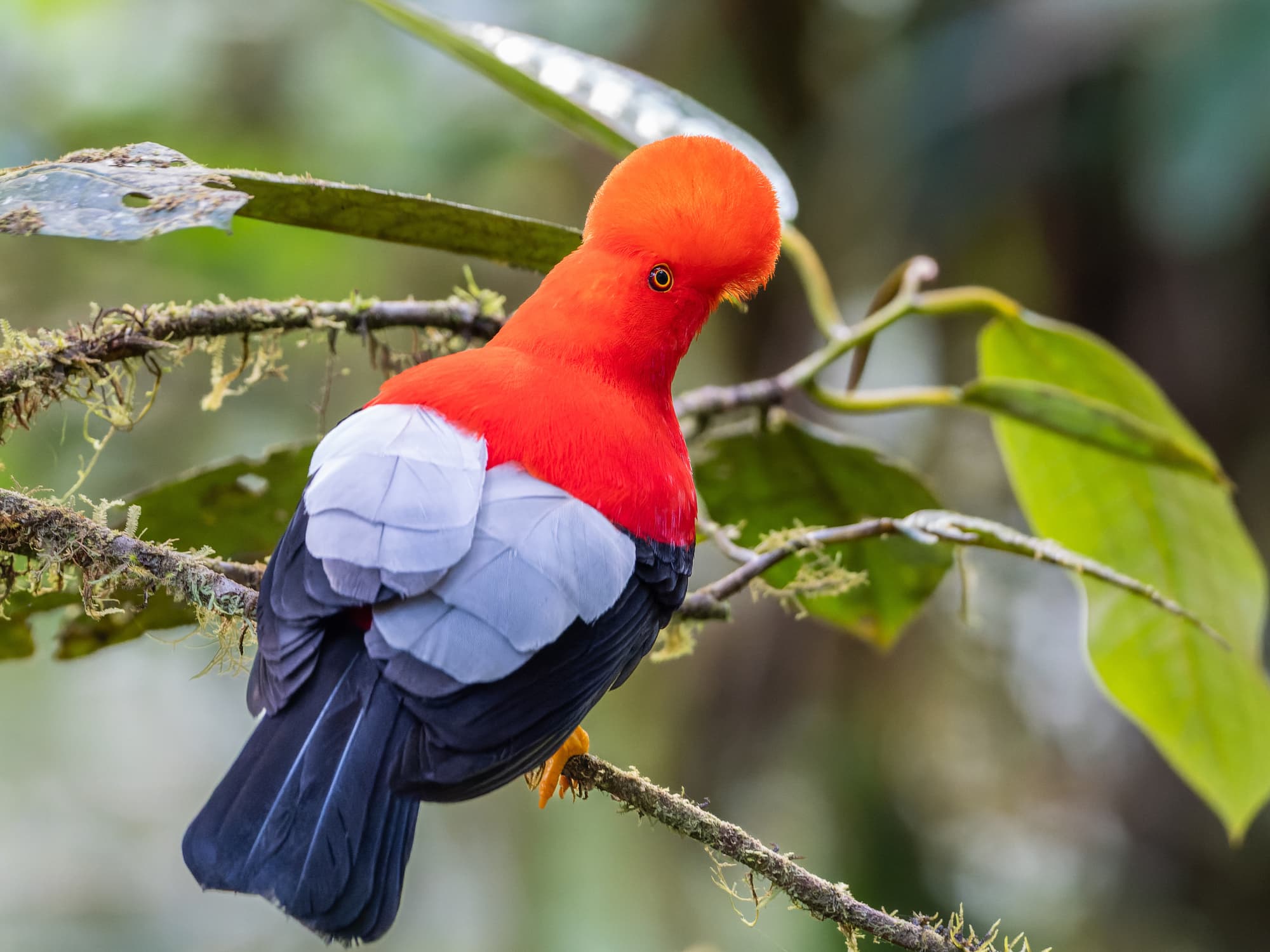
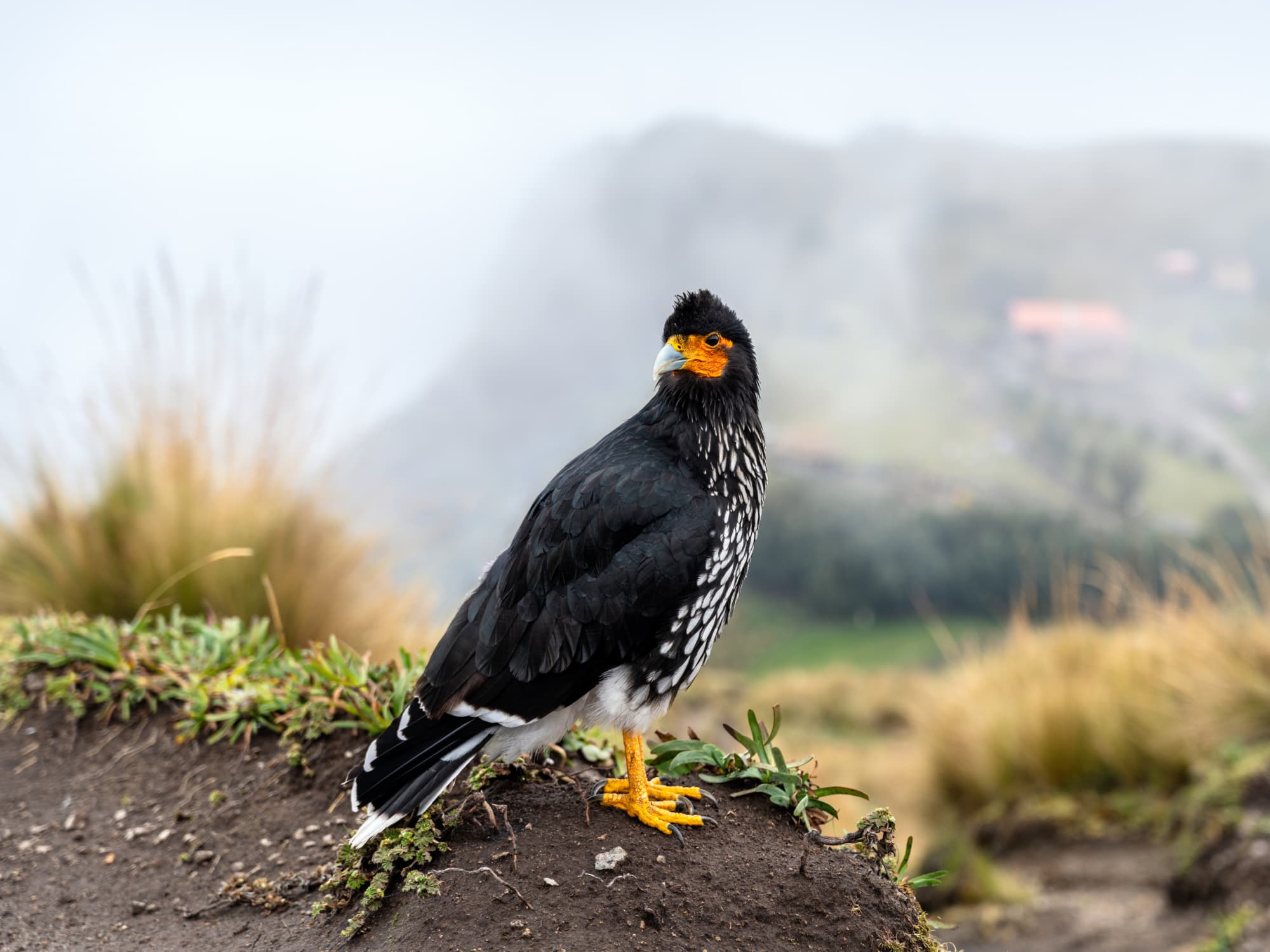
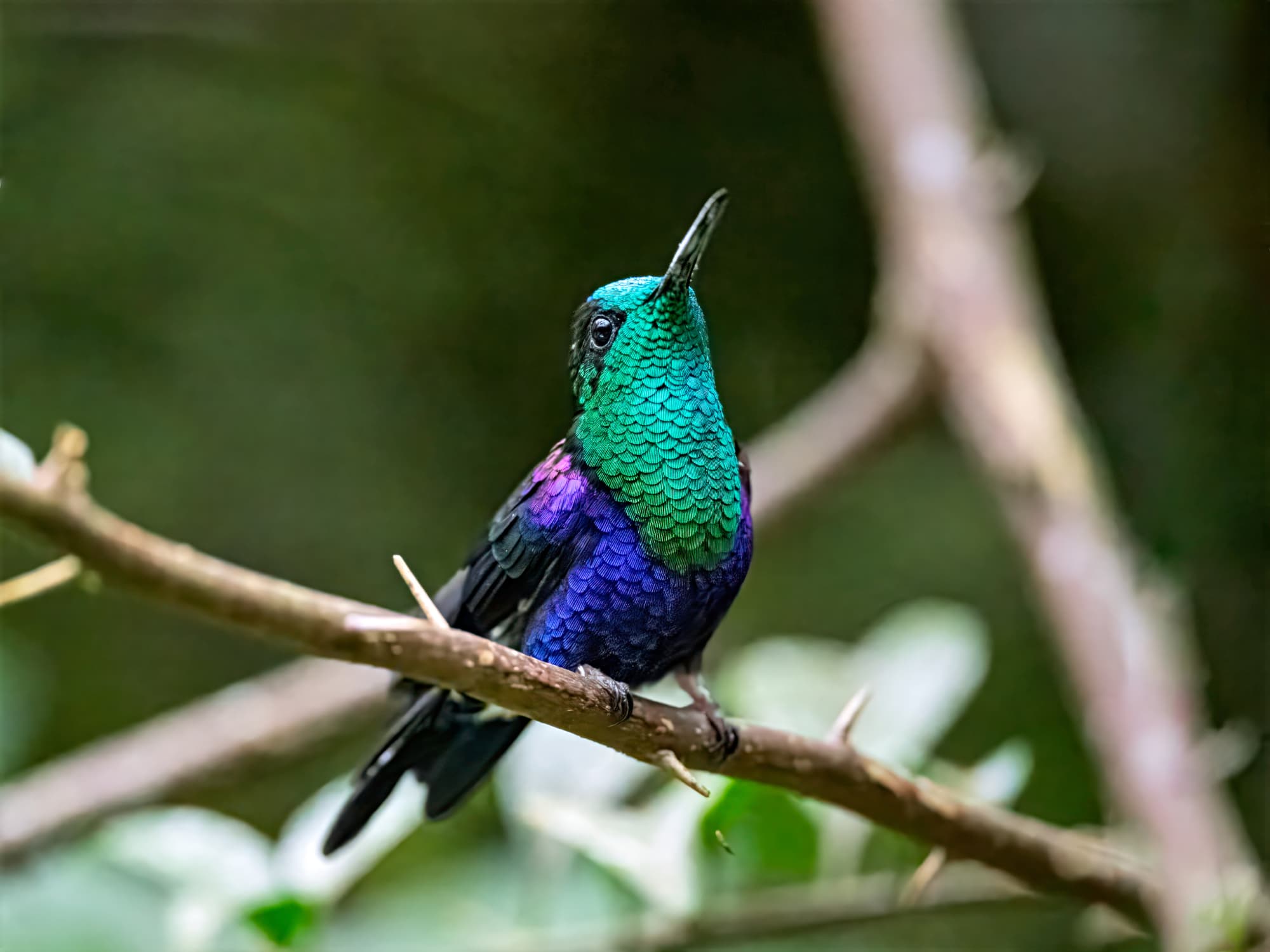
Visual Highlights for a Quito Birding Route
Use this gallery to get a feel for the route atmosphere, the highlands setting, and the kind of experience you can expect around Quito.
Build a Smarter Highlands Birding Route
Use Quito as the anchor, then connect it to the right destinations, providers, and trip-planning tools.