How should you plan wildlife and birding in Ecuador?
Select the habitat before building a species wish list, protect dawn and late-afternoon observation windows, and use a qualified local specialist when target species or difficult identification matters. Seven to ten days can combine two major habitat systems without turning every day into a transfer.
Wildlife is never guaranteed. Confirm guide expertise, current access, group size, observation ethics, transportation, equipment, physical demands and cancellation terms.
Compare Ecuador Wildlife and Birding Routes
| Priority | Best route base | Realistic structure | Confirm |
|---|---|---|---|
| First Ecuador birding trip | Mindo and Chocó Andino | Several dawns across elevations | Specialist, reserves, transport, targets |
| Amazon wildlife | Cuyabeno, Yasuní or Tena | One lodge or gateway system | Guide, transfers, river, ethics |
| Galápagos wildlife | One island sequence | Confirmed cruise or land-based route | Permits, guide, transport, season |
| Spectacled bear research | Andes and Chocó landscapes | National guide plus current specialist advice | No guarantees, access, field activity |
| Multi-habitat birding | High Andes plus Mindo or east slope | Seven to ten days with fewer bases | Targets, dawns, guide, luggage |
Wildlife & Birding at a Glance
Use this page if you want Ecuador to feel grounded in species, habitats, ecosystems, and focused natural encounters rather than only scenery or movement.
Best for
Birders, wildlife travelers, photographers, and nature-led guests who want a stronger biodiversity focus across the route.
Difficulty level
Easy to moderate. Ecuador supports casual sightings, guided reserve visits, and deeper specialist routes depending on your pace.
Typical duration
4 to 10 days depending on whether you stay in one habitat base or combine multiple ecosystems.
Region fit
Strong across the Andes, Amazon, Coast, and Galápagos, with each region offering a different wildlife logic and habitat profile.
Why Wildlife & Birding Works So Well in Ecuador
Ecuador is one of the most rewarding countries in the region for wildlife and birding because habitat changes happen fast as you move. Cloud forest, highland edges, rainforest, mangroves, coast, and island ecosystems all sit within a relatively compact geography.
The real strength is range. You can build a softer route around easy sightings, hummingbird gardens, feeder photography, and guided reserve walks, or lean into more specialist birding, rainforest wildlife, endemic target species, and deeper ecosystem immersion.
This page is designed to help you decide what kind of wildlife and birding depth you want, then connect it to the right region, the right provider pathway, and the best trip balance with nature, relaxation, or culture.
Best Wildlife & Birding Destinations in Ecuador
These are strong starting points for travelers who want to build an Ecuador route around biodiversity, habitat variety, and better wildlife odds.
Mindo
One of the clearest starting points for cloud forest birding, feeders, guided reserve walks, and strong species variety with relatively easy access.
Explore MindoThe Amazon
Best for deeper wildlife immersion, rainforest systems, river-edge biodiversity, and multi-day routes with stronger guide support.
Explore the AmazonThe Coast
Ideal for coastal birdlife, mangrove systems, estuaries, and a very different wildlife layer inside a broader Ecuador route.
Explore the CoastGalápagos
Best for iconic endemic species, island wildlife, marine encounters, and one of the most recognizable biodiversity routes in the world.
Explore GalápagosProvider Pathways for Wildlife-Led Travel
This section should help travelers move from broad biodiversity interest into the right guides, lodges, and route logic over time.
Biodiversity-Focused Stays
Future members can help travelers choose better wildlife bases for early sightings, reserve access, habitat quality, and stronger daily pacing.
Open recommendationsSpecialist Guides and Wildlife Providers
As the provider layer grows, this section should connect travelers to stronger local guides, target-species planning, and better field interpretation.
Open recommendationsBalanced Wildlife Stays
Not every wildlife route should feel technical. Future recommendations here can help build comfort, photography time, and slower observation into the trip.
Open recommendationsWhat a Wildlife & Birding Ecuador Trip Usually Looks Like
Wildlife works best when the route is structured around habitat, timing, guide quality, and observation rhythm rather than trying to force too many ecosystems into one rushed plan.
Choose your wildlife profile
Decide whether the trip should lean more toward casual sightings, birding-first days, rainforest wildlife, marine encounters, or a balanced biodiversity mix.
Build in timing and patience
The strongest Ecuador wildlife routes usually work around dawn activity, habitat edges, guide timing, and a slower observation pace rather than nonstop movement.
Use providers and planning tools to improve the route
Once the wildlife angle is clear, use provider pathways and the trip builder to tighten transfers, reserve logic, and the balance between activity and recovery.
Who Wildlife & Birding in Ecuador Fits Best
This experience works across many traveler types here, especially when the route matches how focused, immersive, or relaxed you want the field time to feel.
First-time wildlife travelers
Great for travelers who want strong biodiversity moments without needing an expedition-style route.
Serious birders
Works especially well for travelers who want target species, habitat strategy, and higher-value dawn and guide-driven days.
Nature photographers
Ideal for people who want repeat sightings, feeder setups, wildlife lodges, and better light and timing conditions.
Travelers balancing depth and comfort
Best for those who want a biodiversity-led trip without making the whole route feel too technical or exhausting.
Best Time for Wildlife Depends on Habitat and Goal
Wildlife and birding in Ecuador works year-round, but the feel of the trip changes depending on ecosystem, weather, water levels, and whether your route is broad or species-focused.
Cloud forest and birding routes
Visibility, feeder activity, trail comfort, and guide timing matter most when the route is built around birding and photography.
Rainforest wildlife
Water levels, river access, humidity, and how long you stay in one base all influence the quality of the Amazon wildlife experience.
Coastal and marine wildlife
Ocean conditions, seasonality, and site choice matter more when the route includes mangroves, coast, or island wildlife.
Cross-Link Wildlife & Birding With the Right Supporting Experiences
Wildlife routes usually become stronger when paired with one or two supporting layers instead of asking biodiversity alone to carry the whole trip.
Nature
Pairs naturally with wildlife when you want landscape, ecosystem contrast, and scenic value to support the route.
Open natureRelaxation
Useful when you want slower lodge time, quieter afternoons, and a softer rhythm between early wildlife outings.
Open relaxationCulture
Adds local context, communities, and food to the trip when you do not want the route defined only by reserves and field time.
Open cultureGo Deeper With Regions, Guides, and Planning Tools
Once the wildlife profile is clear, these paths help turn it into a more intentional Ecuador itinerary.
Explore the Andes
Start here if cloud forest birding, feeder activity, and high-diversity habitat edges are likely to anchor the route.
Open AndesExplore the Amazon
Use this path if rainforest biodiversity, jungle immersion, and longer guided wildlife stays are central to the trip.
Open AmazonWhere to Stay in Ecuador
Helpful once you know what kind of lodge, reserve base, or habitat access will support the wildlife route best.
Open guideTrip Builder
Use the planning tool when you are ready to turn habitats and target interests into a realistic route with better pacing.
Open trip builderChocó Biodiversity Route
Use a northwest-focused framework when elevation change and repeat observation windows matter most.
Open routeWildlife Photography Route
Plan around light, ethical access, equipment capacity, and fewer changes of base.
Open routeBirds and Mammals Route
Compare a 14-day concept linking northwest cloud forest, Amazon, east slope, and high Andes.
Open routeReptiles and Amphibians Route
Review a specialist, safety-led concept across cloud forest, Amazon, and eastern-Andes habitats.
Open routeSouthern Endemic Birds Route
Compare coastal, Tumbesian, foothill, and montane habitats across southern Ecuador.
Open routeAndes and Amazon Route
Compare a protected 14-day sequence across cloud forest, rainforest, east slope, and high Andes.
Open routeWild Andes: Bears and Birds
Review an ethical, tracker-led concept with no guaranteed wildlife sightings.
Open routeNational Birdwatching Itinerary
Start with the national habitat framework before choosing a specialist route.
Open itineraryGalápagos Wildlife Extension
Compare a short Santa Cruz-based concept with flexible authorized excursions.
Open routeGalápagos Photography Circuit
Research an eight-day concept across San Cristóbal, Isabela, and Santa Cruz.
Open routeGalápagos Travel Guide
Review islands, access, timing, fees, and conservation-led planning.
Open guideAmazon and Galápagos Itinerary
Protect the flights and buffers between Ecuador’s two major wildlife regions.
Open itineraryCommon Questions About Wildlife & Birding in Ecuador
These are some of the most useful questions travelers ask when shaping a biodiversity-led Ecuador route.
What are the best places for wildlife and birding in Ecuador?
Mindo, the Amazon, the Coast, and Galápagos are among the strongest starting points depending on whether you want cloud forest birds, rainforest wildlife, coastal ecosystems, or iconic endemic species.
Is wildlife and birding in Ecuador good for beginners?
Yes. Ecuador works well for both casual wildlife travelers and serious birders because strong sightings are possible even on shorter routes with the right local guide and habitat choice.
How many days should I allow for a wildlife-focused Ecuador trip?
A shorter 4 to 6 day route can work if you stay in one habitat base, but 7 to 10 days gives more room to combine cloud forest, Amazon, coastal, or island ecosystems without rushing.
Can I combine wildlife and birding with nature or relaxation in Ecuador?
Yes. Many of the strongest Ecuador itineraries combine wildlife and birding with nature, relaxation, or culture so the trip feels richer and better paced.
Are wildlife sightings guaranteed in Ecuador?
No. Wild animals move freely and activity changes with habitat, weather, season and chance. Responsible guides never guarantee sightings.
When should I use a specialist birding or wildlife guide?
Use a specialist when target species, difficult identification, reserve access, ethical observation, photography positioning or a multi-elevation route matters.
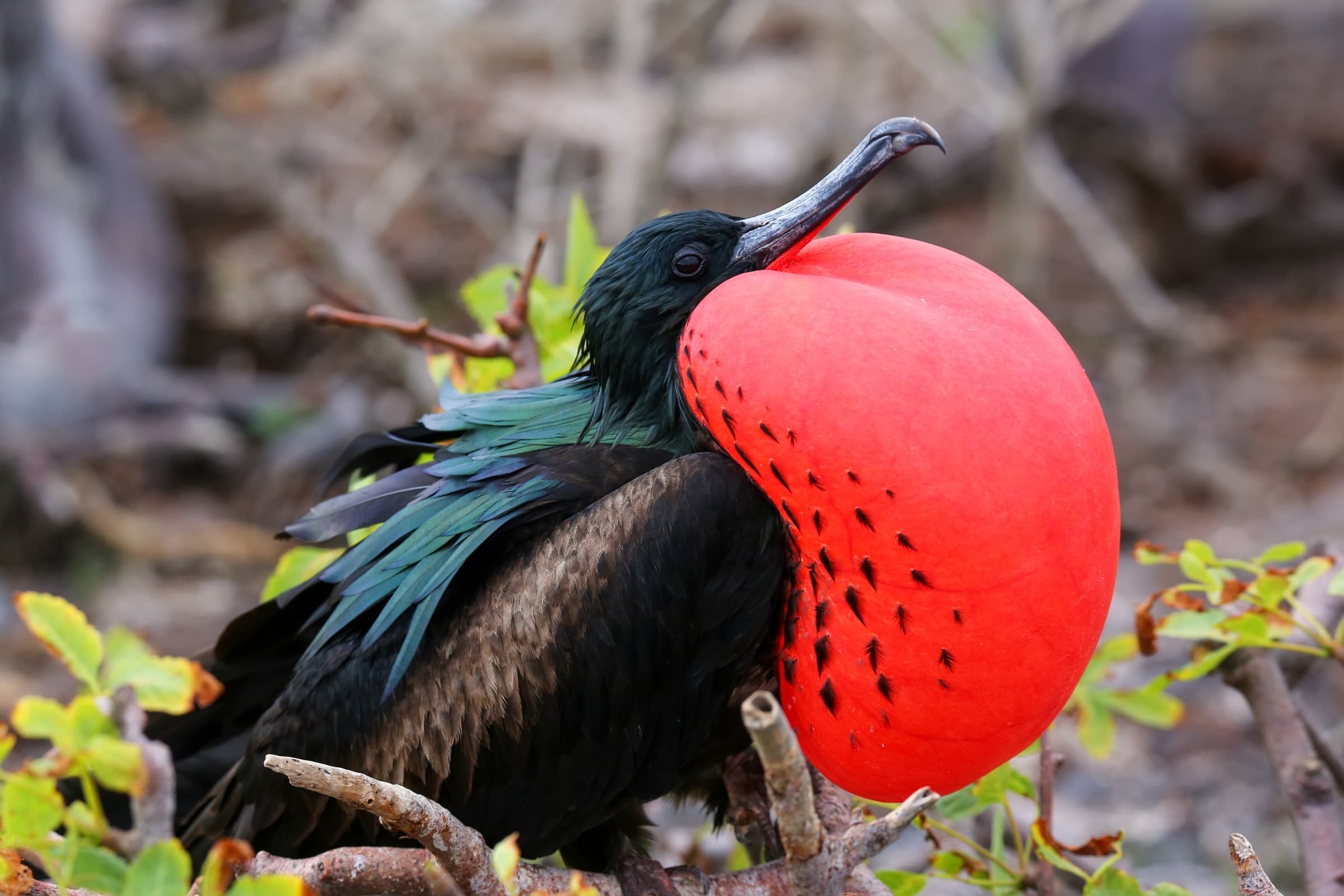
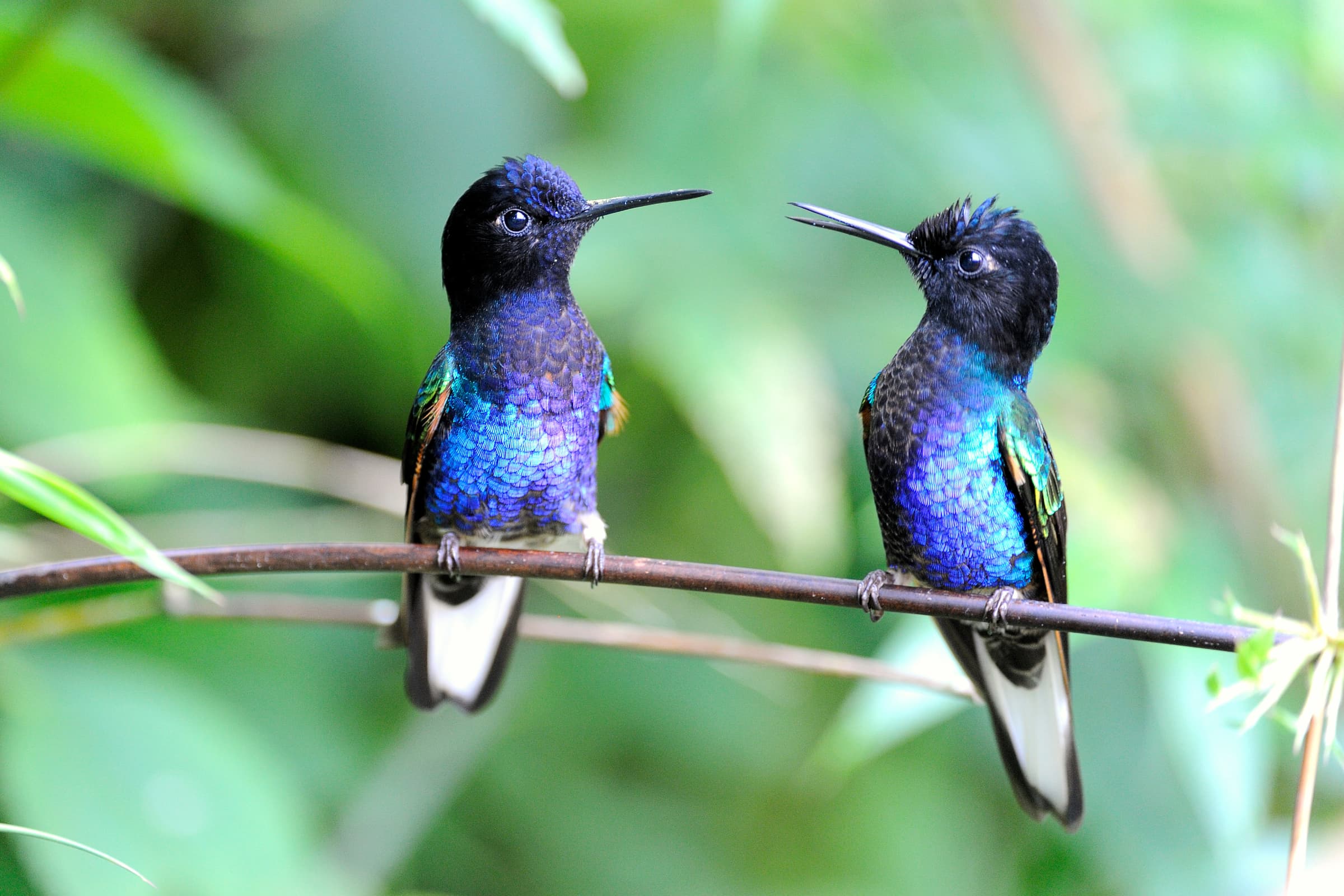
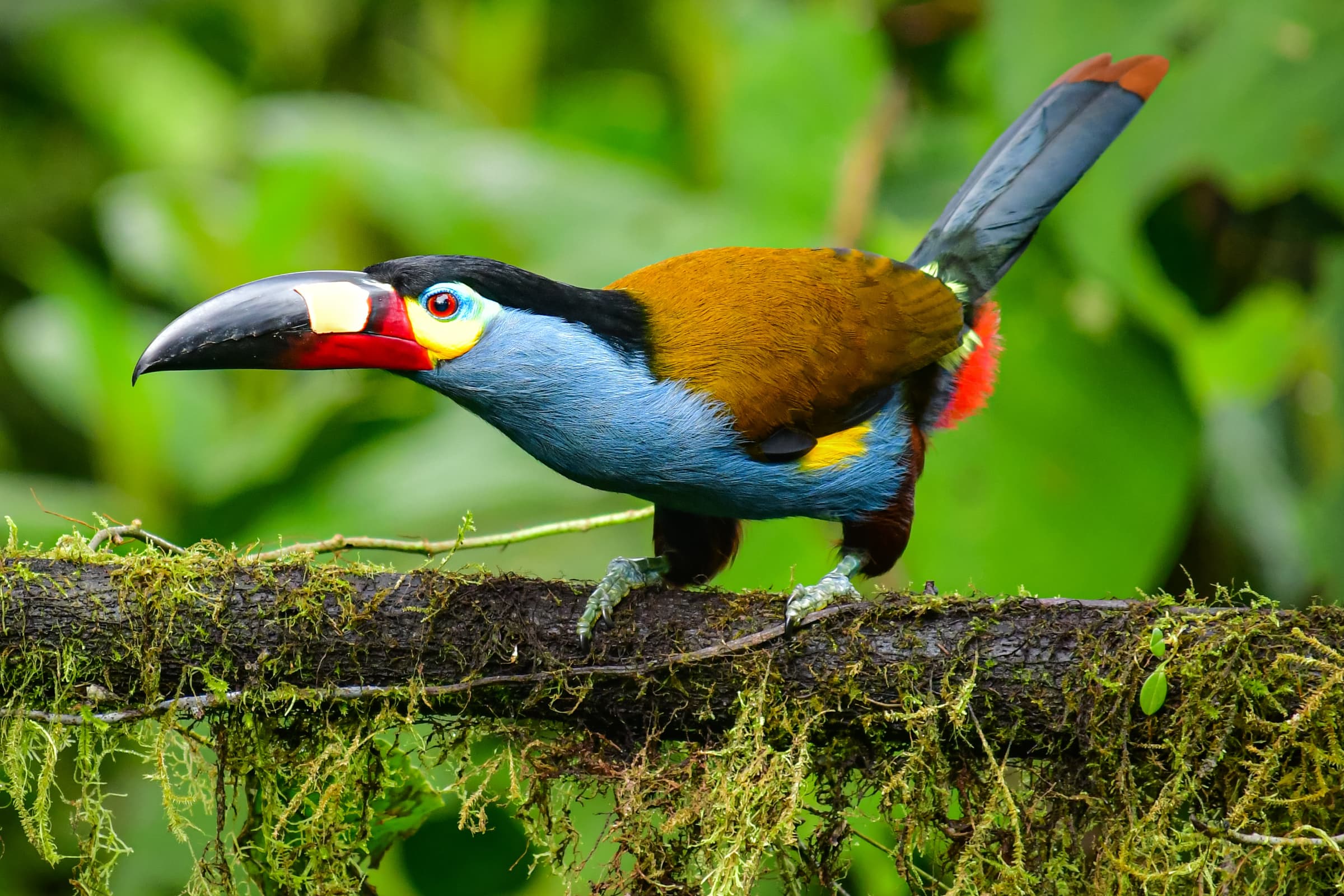
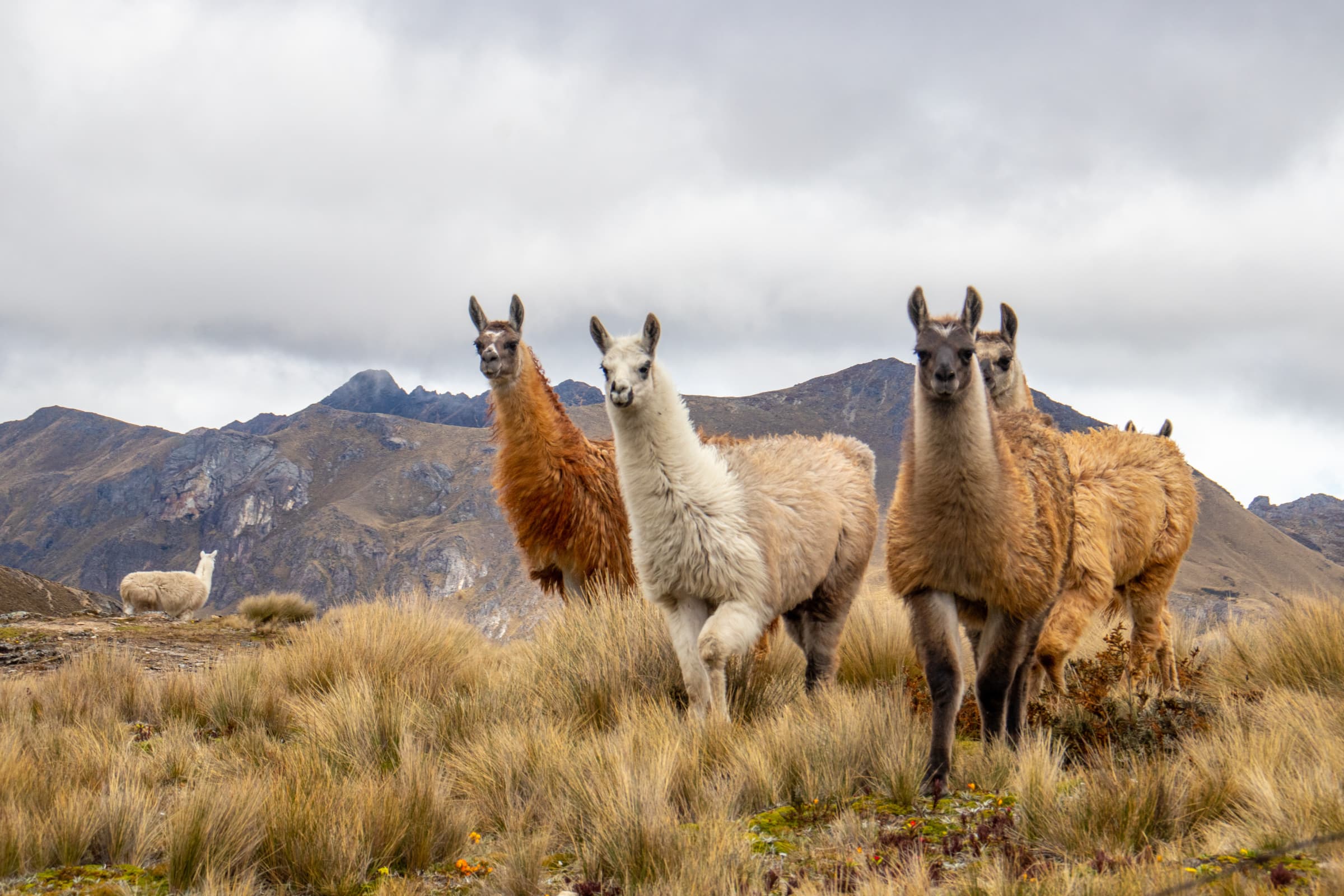
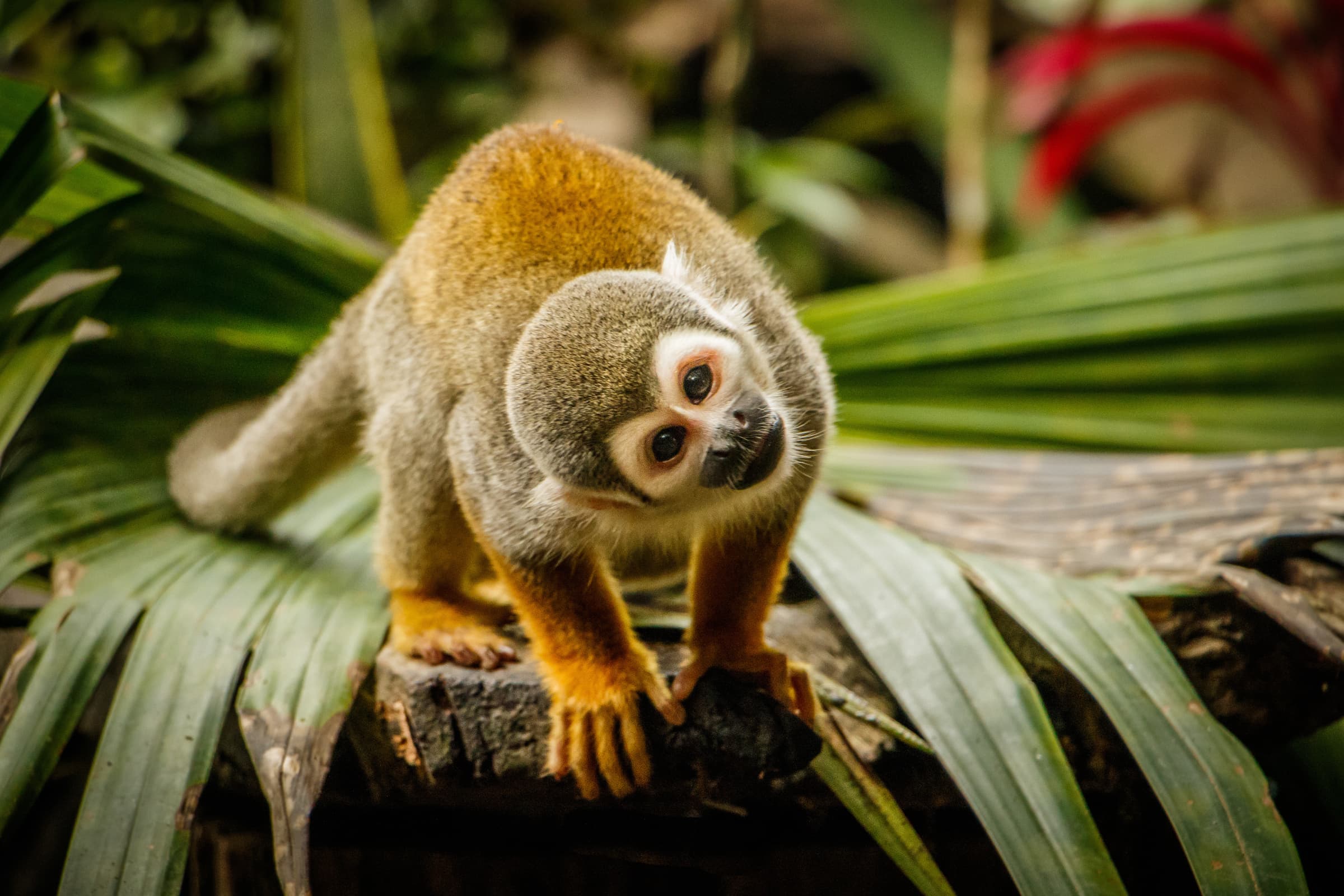
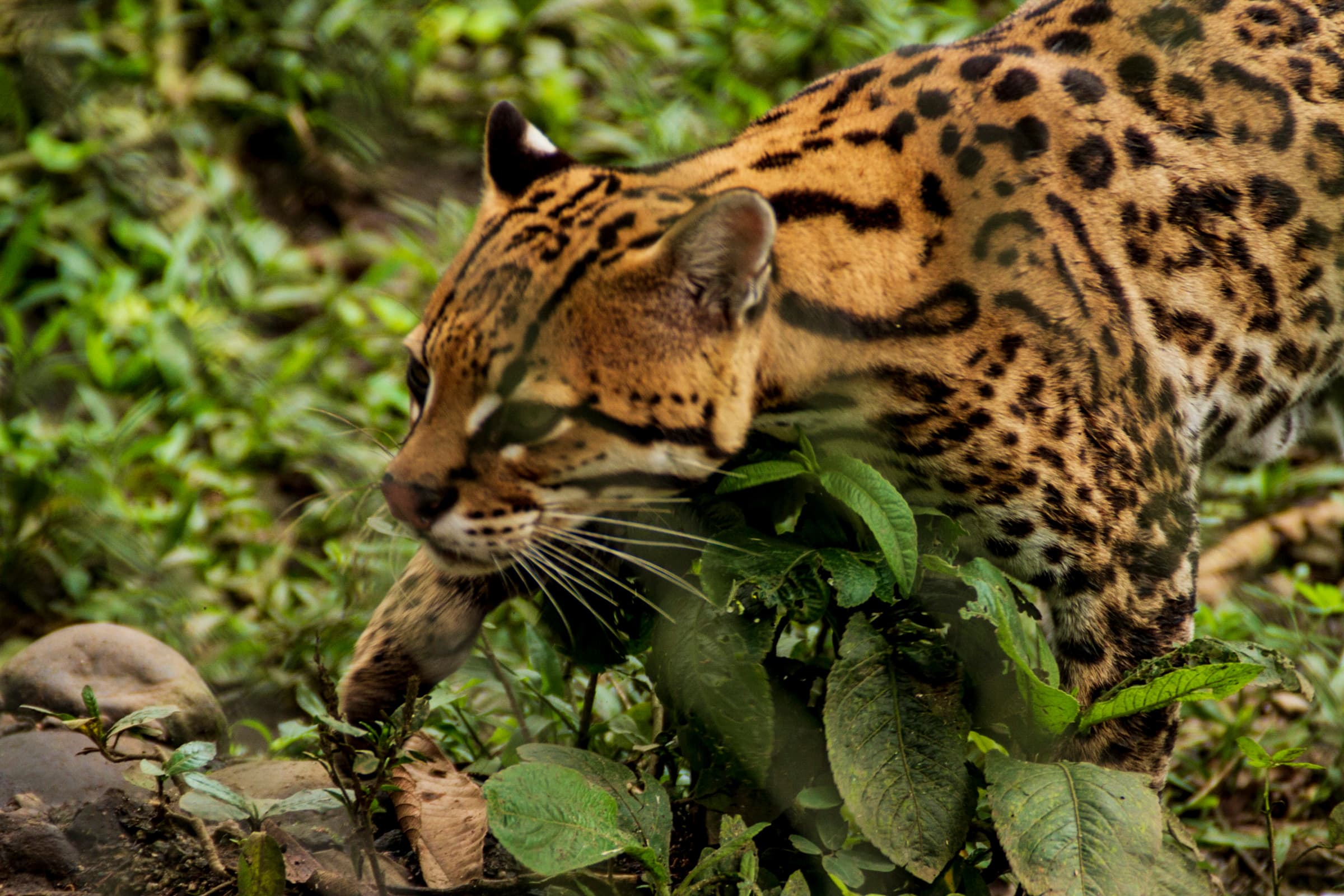
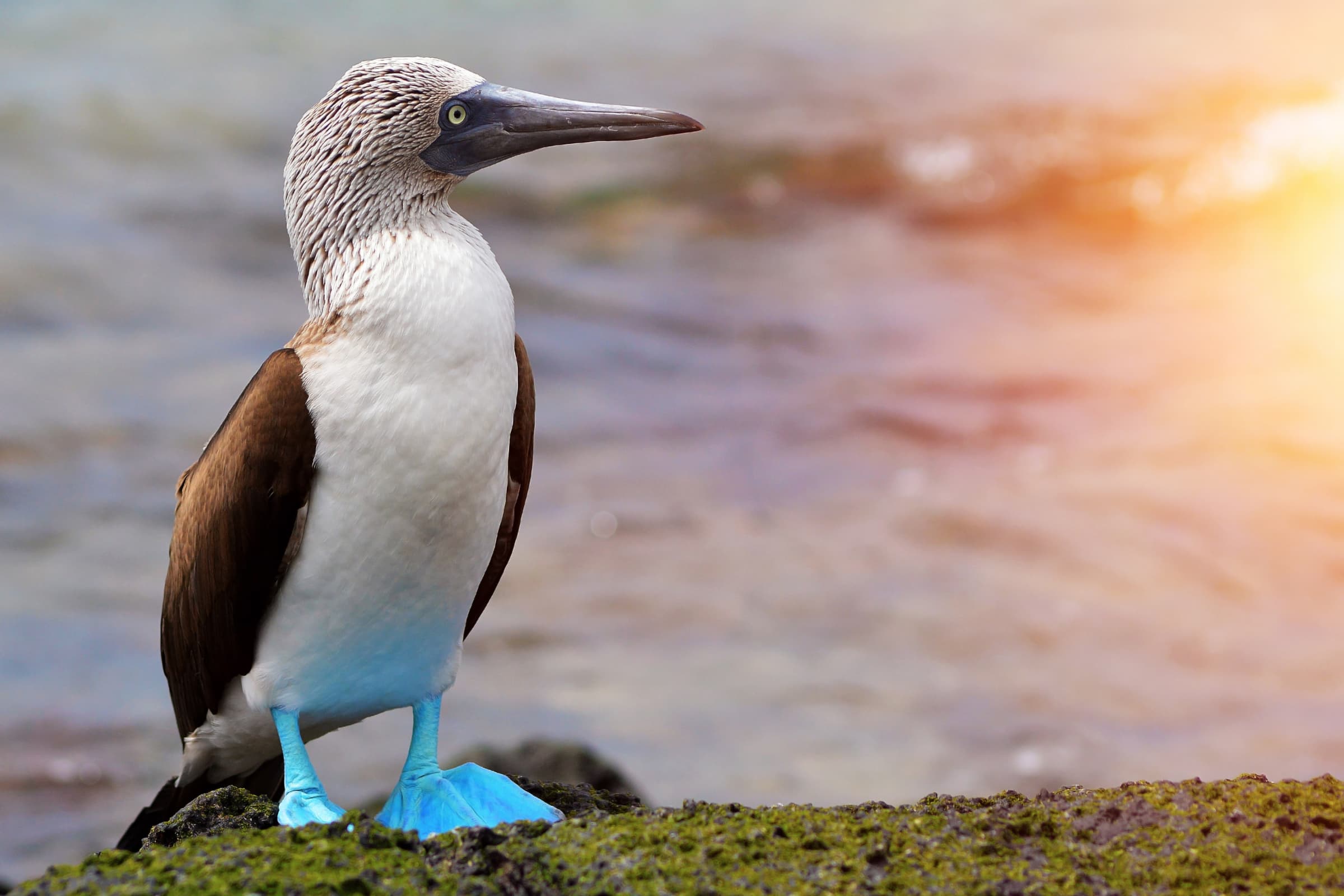
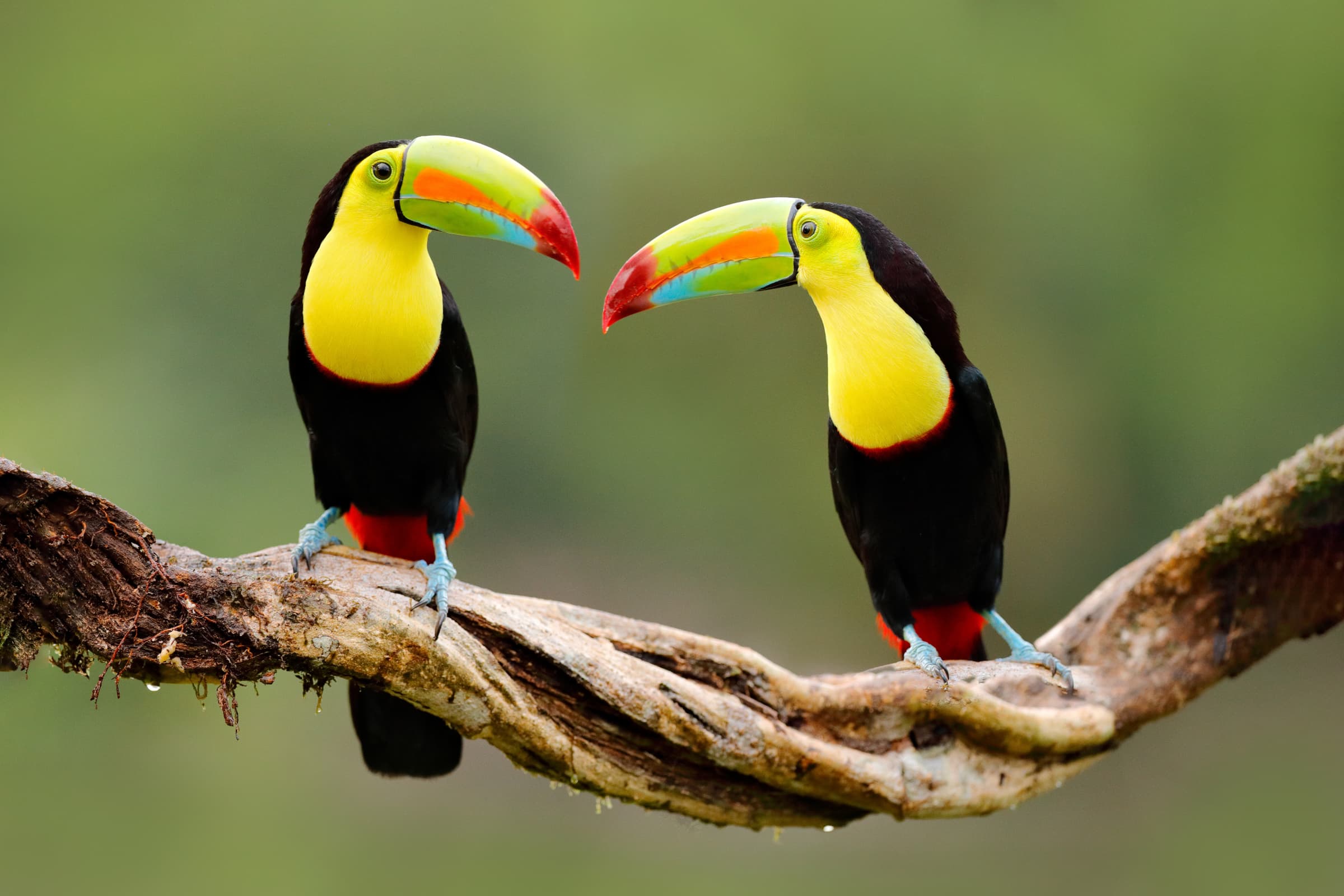
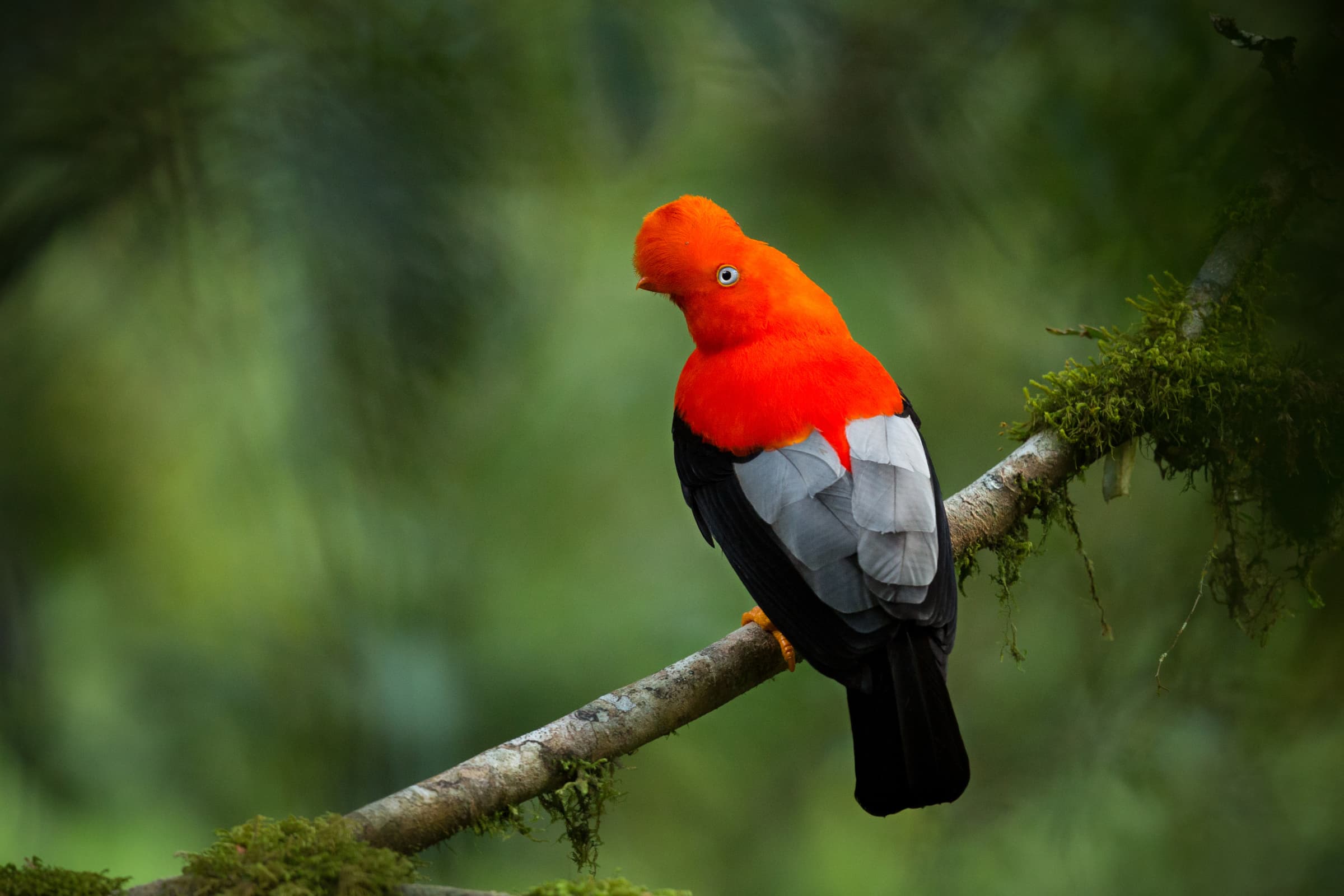
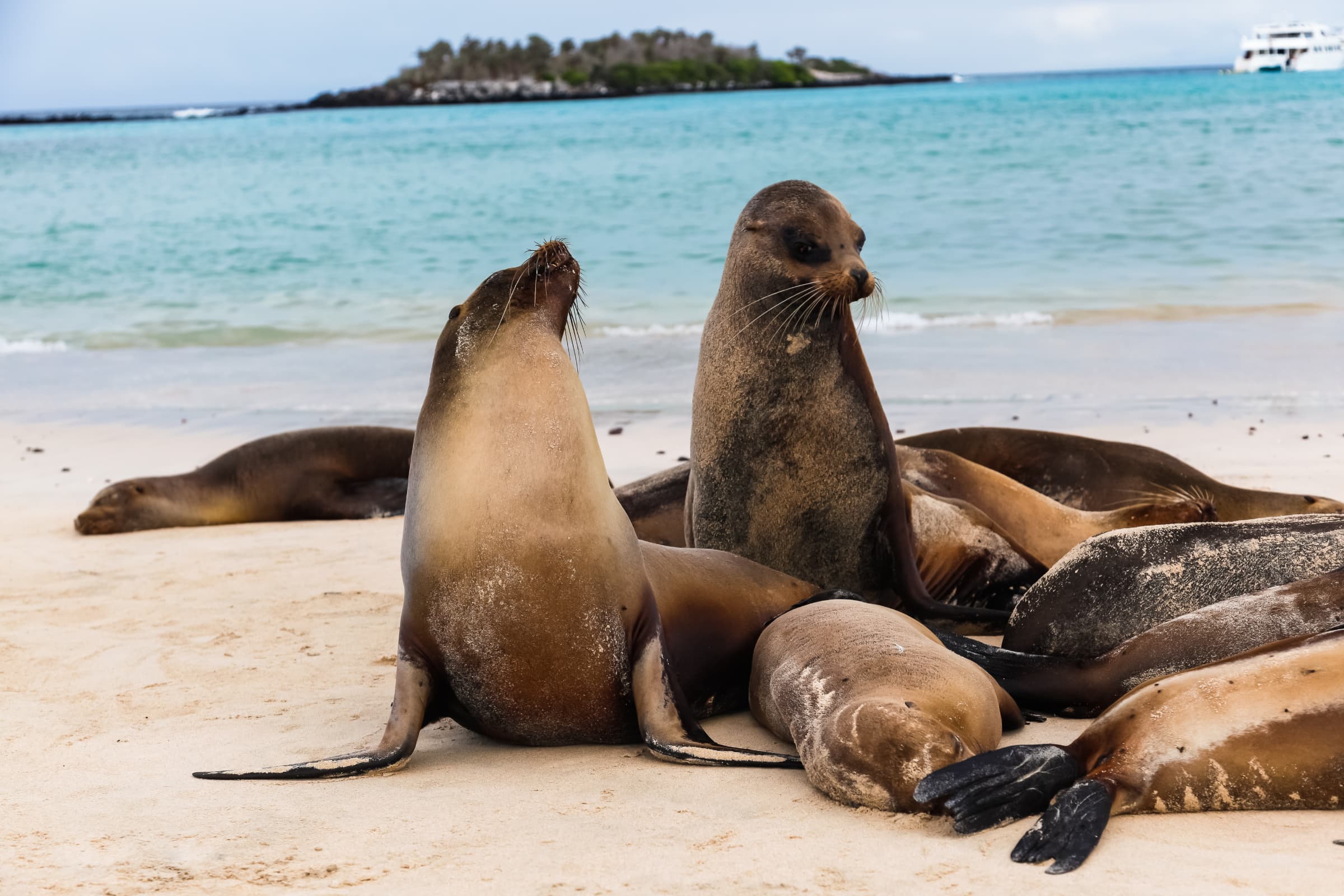
Visual Highlights Across Wildlife & Birding in Ecuador
Use this visual layer to compare habitat mood, biodiversity range, and route energy while you shape a more intentional wildlife-led trip.
Build a More Biodiversity-Led Ecuador Itinerary
Choose the kind of wildlife and birding depth that should lead the route, then use regions, providers, and planning tools to turn that into a stronger trip.